
U.S. officials have assessed that approximately 200 Islamic State (ISIS) fighters escaped from a detention facility in northeast Syria during a sudden transfer of security responsibility, intensifying concerns in Washington over the risk of militant prison breaks in the region.
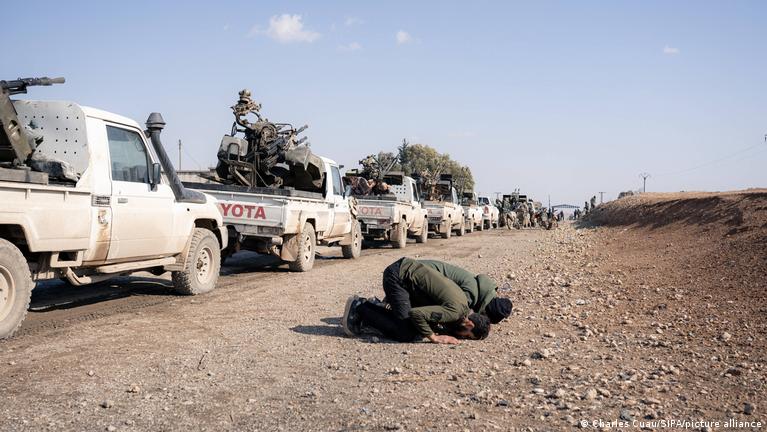
According to a U.S. official who spoke to Reuters, the escape occurred at the al-Shaddadi detention camp earlier this week after guards affiliated with the Syrian Democratic Forces (SDF) pulled out of the site amid escalating tensions. The official described those who fled as “low-level ISIS operatives.”
The American estimate stands in contrast to figures released by Syrian authorities. Syria’s Interior Ministry announced on Tuesday that 120 ISIS members had escaped from a prison in the country’s northeast following armed clashes, adding that security forces later apprehended 81 of the fugitives.
Media outlet Breitbart, citing the Reuters report, noted that while the U.S. figure exceeds Damascus’ official count, it remains significantly lower than what it described as the SDF’s worst-case scenario, which suggested that up to 1,500 detainees might have broken free.
The same U.S. source told Reuters that the inmate population at al-Shaddadi had already been reduced before the unrest, with roughly 600 foreign ISIS fighters relocated to other detention centers ahead of the incident.
The differing accounts highlight growing friction between the Syrian government and the Kurdish-led SDF as control dynamics continue to evolve in northeast Syria. Damascus has accused the SDF of abandoning detention facilities without adequate safeguards and intentionally allowing inmates to escape.
The SDF, in turn, has blamed pro-government jihadi paramilitary factions for orchestrating the release of ISIS prisoners during the chaos.
The prison breach comes at a sensitive moment as the United States intensifies efforts to prevent further escapes. On Wednesday, the U.S. military confirmed the transfer of 150 ISIS detainees from Syria to Iraq, stating that the relocation program could eventually involve as many as 7,000 prisoners.
“We are closely coordinating with our regional partners, including the Iraqi government, and we deeply appreciate their commitment to ensuring the lasting defeat of ISIS,” said Admiral Brad Cooper, commander of U.S. forces in the Middle East.
In a separate statement carried by The Associated Press, Cooper emphasized that securing detainees remains a top priority. “Ensuring the safe and orderly transfer of ISIS prisoners is essential to preventing a breakout that could pose a direct threat to regional stability and U.S. national security,” he said.
Reuters contributed reporting to this article.