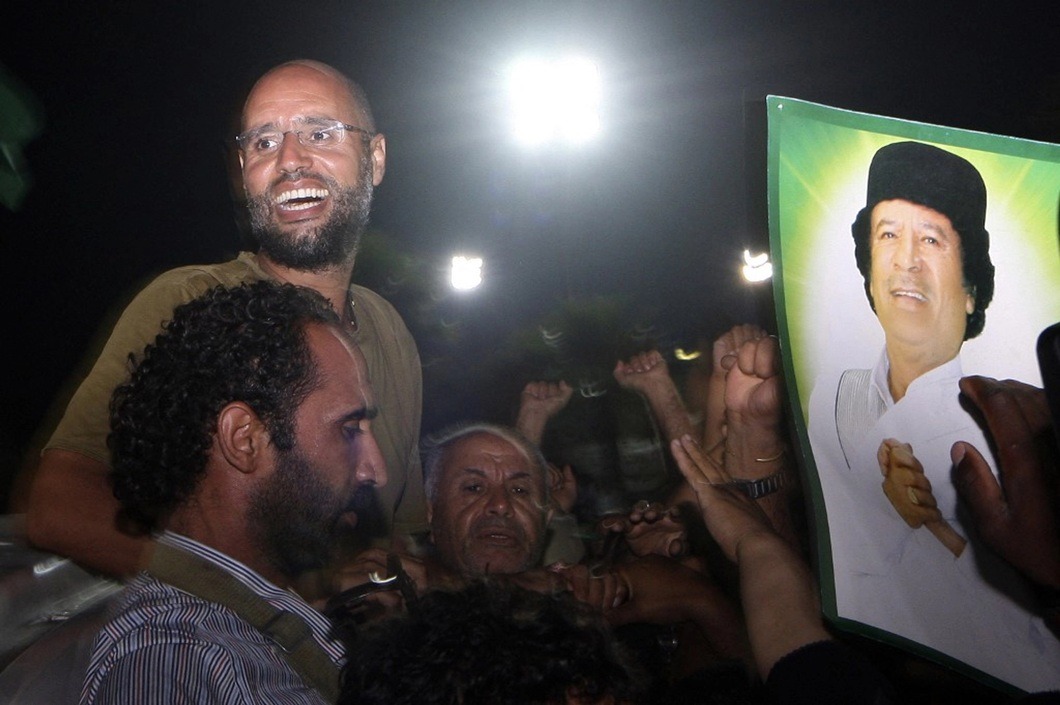

Russia has strongly criticized the killing of Saif al-Islam Gaddafi, the son of Libya’s former leader Muammar Gaddafi, describing the incident as a serious crime and urging Libyan authorities to hold those responsible accountable.
The condemnation was delivered during a press briefing on Wednesday by Russia’s Foreign Ministry spokesperson Maria Zakharova, who emphasized the need for a transparent and comprehensive investigation.
“We strongly condemn this criminal act and expect a thorough inquiry to ensure those responsible are brought to justice,” Zakharova said, according to international media reports.
Attack in Zintan
Saif al-Islam Gaddafi’s legal representatives confirmed his death on Tuesday. Reports from Libyan media indicate that four masked gunmen stormed his residence in Zintan, a town located approximately 85 miles southwest of Tripoli, and fatally shot him before fleeing the scene.
READ MORE: Kuwait Prepares 1,700 Mosques for Ramadan Worship
At the time of his death, Saif al-Islam remained wanted by the International Criminal Court (ICC) under a long-standing arrest warrant issued in 2011 for alleged crimes against humanity, including murder and persecution during Libya’s uprising.
A Controversial Political Figure
Although he never formally held public office, Saif al-Islam was widely viewed as a central figure in Libyan politics during his father’s four-decade rule. He often acted as an informal envoy and was deeply involved in both domestic reform discussions and foreign diplomatic efforts.
Following the collapse of Muammar Gaddafi’s government during the Arab Spring in 2011, Saif al-Islam was captured by Libyan forces. Instead of being transferred to The Hague to face ICC charges, he was imprisoned in Libya.
In 2015, a Libyan court sentenced him to death, but ongoing civil conflict and shifting political priorities eventually led to his release in 2017 under a general amnesty. Despite this, the ICC warrant against him remained active.
Russia’s Historical Ties to the Gaddafi Family
Muammar Gaddafi maintained close relations with Moscow during the Soviet era and continued diplomatic engagement with Russia after Vladimir Putin assumed power. When the former Libyan leader was captured and killed by rebel forces in 2011, Putin publicly condemned the manner of his death.
Russia’s interest in Saif al-Islam resurfaced years later. In 2020, reports revealed that two Russian nationals were detained in Tripoli for allegedly attempting to help reintroduce him into Libya’s political landscape.
Libya, home to Africa’s largest oil reserves, has struggled with instability since the fall of the Gaddafi regime, making it a focal point for regional and international influence.
Wagner Group Links and Regional Ambitions
The reported efforts to restore Saif al-Islam’s political role were allegedly supported by figures linked to Russia’s Wagner mercenary group, including its former leader Yevgeny Prigozhin. Prigozhin later died in 2023 following a helicopter crash, months after staging a failed rebellion against the Kremlin.
As investigations into Saif al-Islam Gaddafi’s killing continue, the incident is expected to further complicate Libya’s fragile political environment and raise new questions about foreign involvement in the country’s internal affairs.