Introduction: When Words Fail, Du’a Begins
Every believer reaches moments when the heart feels heavy, answers seem delayed, and the future looks uncertain. In those moments, there is one door that is never closed—the door of prayer.
Previous Articles in the “Journey to True Iman” Series
At the same time, prayer is incomplete without tawakkul—true trust in Allah’s wisdom, timing, and decree. Together, prayer and trust form a spiritual balance: you ask sincerely, and you rely completely.
What Is Du’a, Really?
prayer is often translated as “supplication,” but in Islam it is far deeper:
It is an act of worship
A confession of weakness
A declaration of need
A sign of humility
Proof that the heart still believes Allah is near
The Prophet ﷺ said:
“Du’a is worship.”
(Tirmidhi)
When you make prayer, you are not just asking—you are affirming your Iman.
Why Du’a Is Central to Strong Iman
1. Du’a Keeps the Heart Alive
A heart that stops making prayer is often a heart that has begun to rely on itself.
Allah says:
“And your Lord says, ‘Call upon Me; I will respond to you.’”
— Surah Ghafir (40:60)
prayer reminds us that:
Allah hears
Allah sees
Allah cares
Allah responds
2. Du’a Is a Shield During Hardship
When trials strike, prayer becomes both medicine and protection.
The Prophet ﷺ said:
“Nothing repels divine decree except du’a.”
(Tirmidhi)
Even when outcomes don’t change, the heart does—it becomes calmer, stronger, and more patient.
3. Du’a Strengthens Your Relationship With Allah
The more you talk to Allah, the more real He becomes in your life—not abstract, not distant, but intimately involved in your affairs.
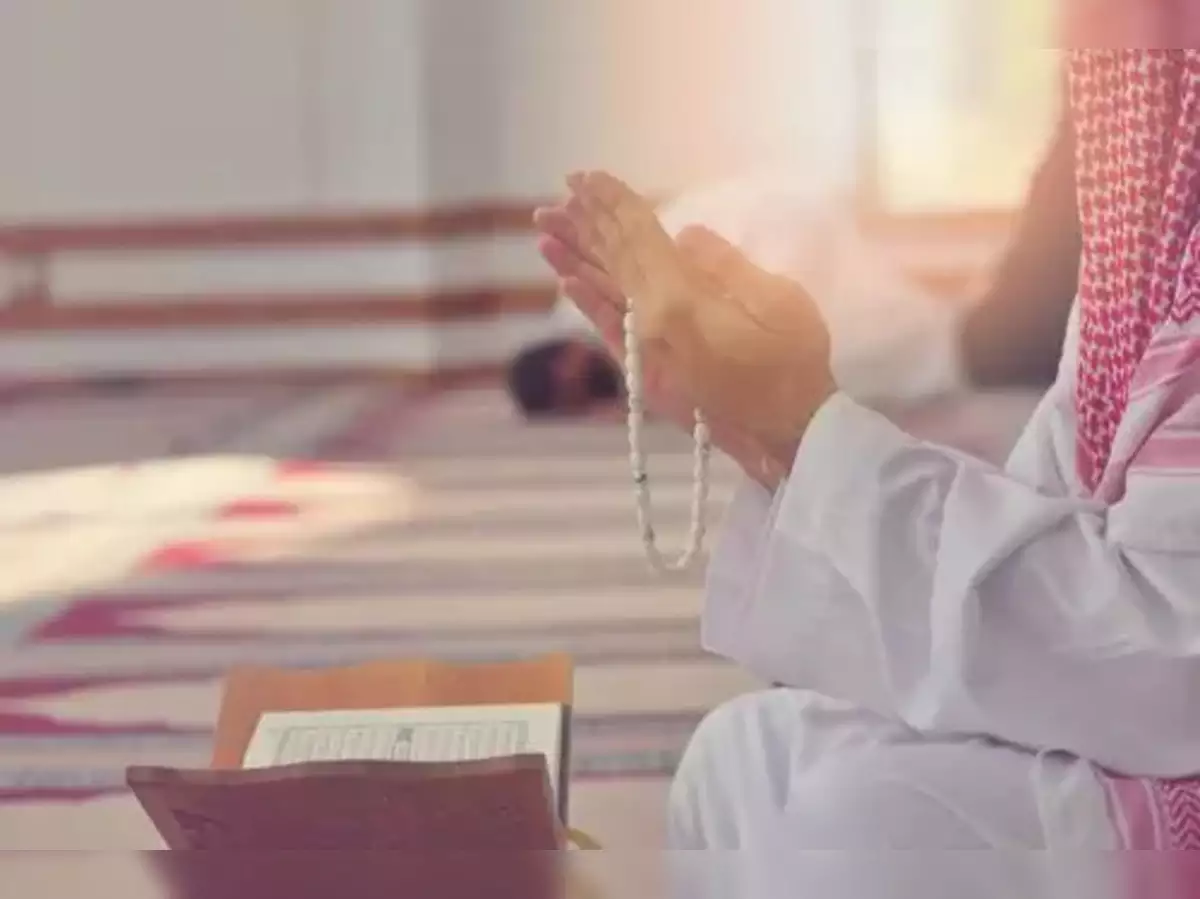
Understanding Tawakkul: Trust Beyond Words
Many people confuse tawakkul with passivity. In Islam, trust does not mean doing nothing.
True tawakkul means:
You take action
You make prayer
You accept Allah’s outcome
The Prophet ﷺ clarified this beautifully when a man asked whether to tie his camel or trust Allah:
“Tie it, and trust in Allah.”
(Tirmidhi)
The Balance Between Du’a and Trust
| Du’a | Tawakkul |
|---|---|
| Asking Allah sincerely | Accepting Allah’s decree |
| Expressing need | Submitting to wisdom |
| Hope-filled | Patience-filled |
| Active | Peaceful |
Together, they prevent two extremes:
Despair (when we stop asking)
Arrogance (when we stop trusting)
Why Du’as Sometimes Feel “Unanswered”
One of the biggest tests of faith is delayed response. But Islam teaches us that every prayer is answered, just not always in the way we expect.
The Prophet ﷺ said:
“There is no Muslim who calls upon Allah… except that Allah grants him one of three things:
– What he asked for
– Something better
– Or harm is averted from him.”
(Ahmad)
So when you say:
“Allah didn’t answer my du’a”
What you often mean is:
“Allah didn’t answer it in the way I wanted.”
And that is where trust is tested.
Du’a in the Lives of the Prophets
Prophet Nuh (AS)
He made prayer for 950 years. Persistence without despair.
Prophet Ibrahim (AS)
He trusted Allah completely—even when thrown into fire.
Prophet Yunus (AS)
In the darkness of the whale, he called out:
“There is no god but You. Glory be to You. Indeed, I was among the wrongdoers.”
— Surah Al-Anbiya (21:87)
Allah responded immediately.
Prophet Muhammad ﷺ
At Ta’if, rejected and bleeding, he raised his hands—not in anger, but in humility.
Practical Ways to Strengthen Du’a and Tawakkul
1. Make Du’a Regularly—Not Only in Crisis
Schedule prayer:
After salah
Before sleeping
During sujood
Between adhan and iqamah
2. Use Allah’s Names in Du’a
Allah loves when His servants call Him by His Names:
Ya Rahman (Most Merciful)
Ya Razzaq (Provider)
Ya Fattah (Opener)
Ya Hakim (All-Wise)
“And to Allah belong the Most Beautiful Names, so call upon Him by them.”
— Surah Al-A’raf (7:180)
3. Trust Allah’s Timing
What you want now may harm you later.
“Perhaps you hate a thing and it is good for you…”
— Surah Al-Baqarah (2:216)
Delayed does not mean denied.
4. Keep Making Du’a Even When It’s Hard
The Prophet ﷺ warned against saying:
“I made du’a but it wasn’t answered.”
Persistence is a sign of belief.
Emotional Healing Through Du’a
prayer is not only about outcomes—it is therapy for the soul.
Pour out your fears
Confess your sins
Cry without shame
Speak honestly
Allah already knows—but He loves when you speak.
When Trust Is Tested the Most
Tawakkul is hardest when:
You did everything right—but failed
You prayed sincerely—but lost
You waited patiently—but were disappointed
Yet these are the moments when Iman deepens.
Signs of True Tawakkul
✅ Calmness after making prayer
✅ Acceptance without resentment
✅ Continued effort without panic
✅ Gratitude even in hardship
✅ Peace with Allah’s decree
Du’as That Build Trust
“HasbiAllahu la ilaha illa Huwa.”
Allah is sufficient for me.“O Allah, I place my trust in You.”
“O Turner of hearts, keep my heart firm upon Your religion.”
Final Reflection: Speak, Then Surrender
prayer is your voice.
Tawakkul is your rest.
You speak to Allah with hope.
You rely on Him with certainty.
True Iman is not knowing what will happen—it is knowing Who is in control.
“And whoever puts his trust in Allah—He is sufficient for him.”
— Surah At-Talaq (65:3)
🔜 Coming Next:
Part 10 – Consistency Over Perfection: Staying Firm on the Path of Iman
A powerful conclusion exploring how to remain steadfast in faith—not by being flawless, but by being faithful.
Summary Teaser:
prayer is your lifeline. Trust is your anchor.
In Part 9 of the Journey to True Iman, we explore how speaking to Allah and relying on His plan transforms anxiety into peace and uncertainty into strength.