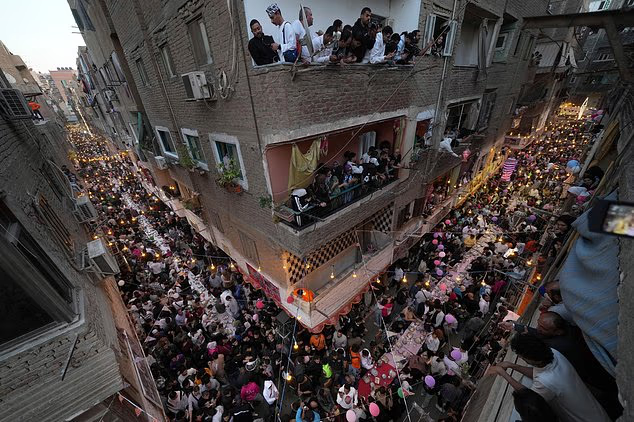

Ramadan has returned, and for millions of Muslims across Nigeria and around the world, it marks a month of fasting from dawn until sunset for nearly 30 days.
With no food or water during daylight hours, many people begin to question their usual fitness routines. Is it better to pause workouts completely, or can exercise still fit into a fasting schedule without harming the body?
The answer is not the same for everyone. It depends on your physical condition, daily routine, and how your body responds to fasting. Ramadan is a period of self-discipline and reflection, not exhaustion. Any form of exercise should enhance your wellbeing, not leave you depleted.
Should You Stop Exercising During Ramadan?
If you already follow a regular workout routine, there is usually no need to stop completely. Many people successfully continue training by adjusting intensity and volume rather than quitting.
READ MORE: Health Benefits of Dates: Why Recommended in Ramadan!
However, Ramadan is generally not the ideal time to start a demanding or high-intensity fitness programme. For those who are not used to exercising, gentle movement is a better option. Activities like walking, light stretching, or simple home exercises can help keep the body active without causing unnecessary strain.
Fatigue is common during long fasting hours. Paying attention to warning signs such as dizziness, weakness, or nausea is essential. Rest is part of self-care, and pushing through discomfort is not advised.
Best Time to Exercise While Fasting
Choosing the right time to work out can make a significant difference.
Some people prefer light exercise after suhoor, the pre-dawn meal. Early sessions can work well for those who feel most energetic in the morning. Stretching, mobility drills, or short strength workouts are often ideal at this time.
Others find exercising shortly before iftar more practical. A brief and moderate session around 20–30 minutes before breaking the fast allows you to replenish fluids and nutrients almost immediately, reducing the risk of dehydration.
READ MORE: DATES: Health Benefits of Dates In Islam
For higher-intensity workouts, the safest option is usually after iftar. Once you have eaten lightly and rehydrated properly, your body is better equipped to handle more demanding training.
Recommended Workouts During Ramadan
The goal during Ramadan should be maintenance, not performance gains.
Suitable workout options include:
-
Light strength training
-
Bodyweight exercises
-
Brisk walking
-
Gentle cycling
-
Low-impact cardio
-
Stretching and mobility routines
Keeping sessions short—around 20 to 30 minutes—is often enough to preserve fitness without overloading the body.
Long endurance runs or heavy cardio sessions can be difficult during fasting hours, especially when fluids are restricted.
What to Eat at Suhoor for Better Energy
A well-balanced suhoor plays a major role in sustaining energy throughout the day.

Slow-digesting foods are particularly beneficial, such as:
-
Wholegrain or wholemeal bread
-
Oats with seeds or nuts
-
Eggs and healthy fats like avocado
-
Greek yoghurt
-
Fish or other protein-rich foods
-
Vegetables and fibre-dense meals
Dates are commonly eaten at suhoor and provide a quick source of natural energy. Dairy options like milk or yoghurt add protein and help with satiety.
Hydration is equally important. Drinking water consistently between iftar and suhoor is far more effective than consuming large amounts at once. Reducing caffeine intake can also help prevent dehydration and sudden energy crashes.
Final Thoughts
Staying active during Ramadan is possible, but balance is essential. Adjusting workout intensity, choosing the right time to exercise, and fuelling your body properly can help you remain fit without sacrificing your health.
Ramadan is about harmony between physical discipline and spiritual growth. When approached wisely, fitness can support both.