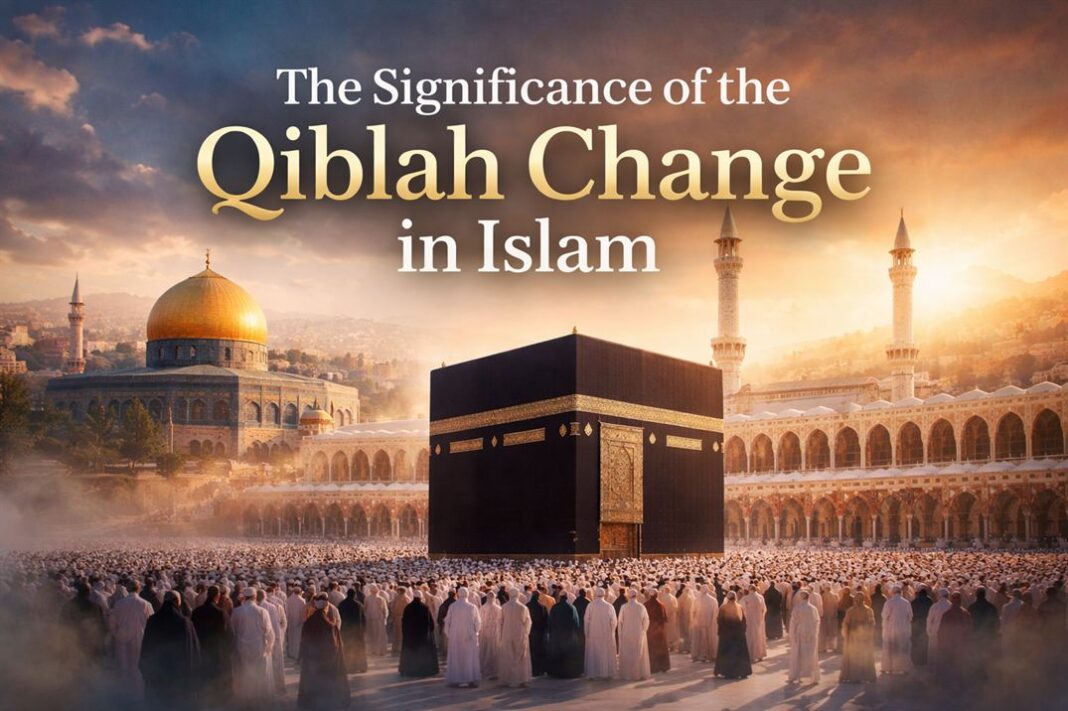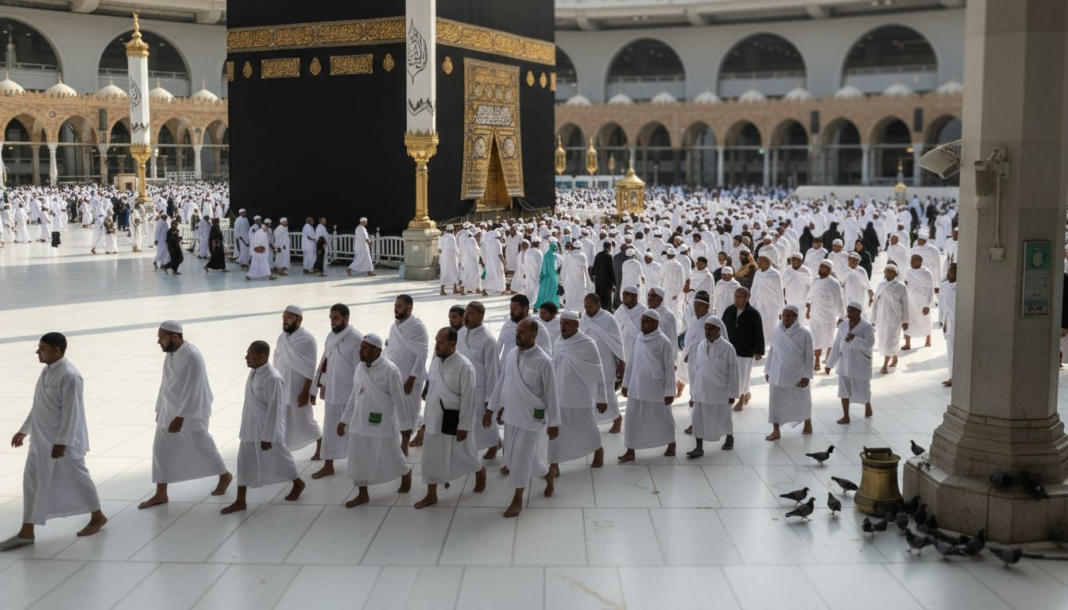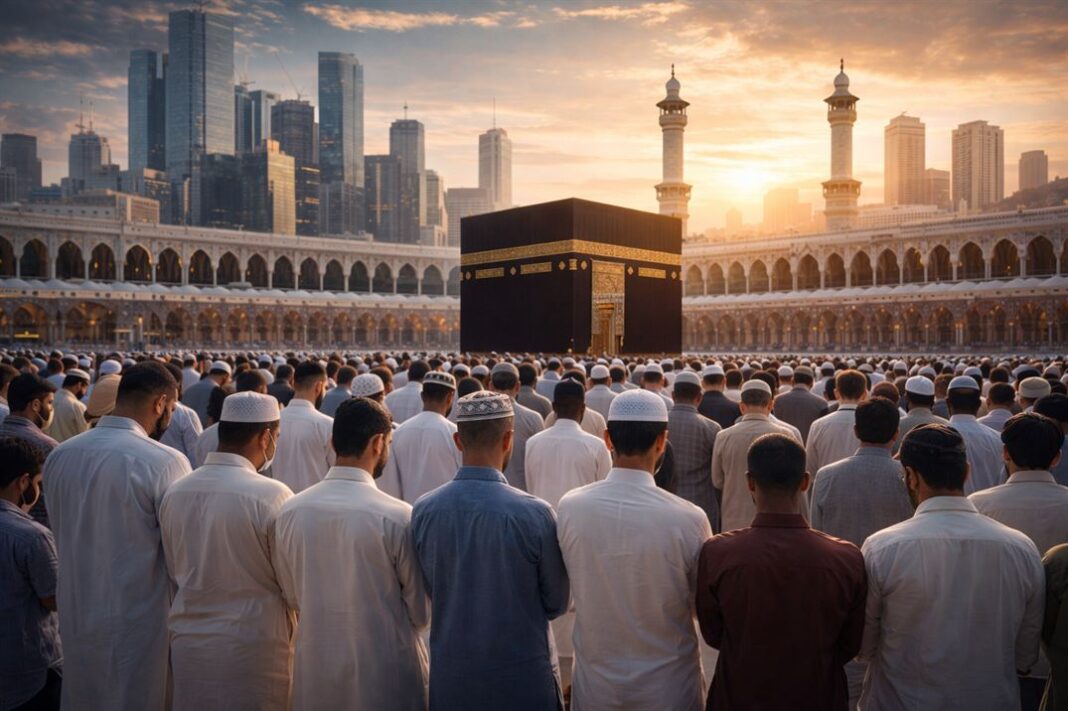

The change of Qiblah in early Islamic history was more than a physical shift in prayer direction—it was a profound lesson in faith, obedience, and communal identity. While the event occurred over 1,400 years ago, its wisdom remains highly relevant in modern life. From personal spirituality to community unity, the story of the Qiblah change provides guidance for every Muslim navigating a complex, fast-paced world.
This article examines how contemporary Muslims can draw inspiration and practical lessons from this historic turning point.
1. Obedience Is More Important Than Understanding
In a time of rapid information and constant questioning, believers today often struggle with blind obedience versus informed understanding. The change of Qiblah teaches that obedience to Allah is the first step, even when the wisdom behind a command is not immediately clear.
-
Modern takeaway: Follow divine guidance consistently in worship, ethical conduct, and personal decisions.
-
Example: Observing prayer, fasting, or charitable obligations even before fully grasping their full benefits can strengthen faith.
2. Unity Requires a Shared Direction
The Qiblah was a unifying focal point. Facing the same direction, Muslims across Madinah were physically and spiritually aligned. This unity extended beyond prayer, shaping identity, community cohesion, and collective discipline.
-
Modern takeaway: Focus on shared principles of Islam rather than minor differences. Unity in action—volunteering, community support, charitable work—can be a modern reflection of this lesson.
-
Example: In diverse communities, Muslims can organize joint educational, social, and spiritual initiatives, fostering cohesion.
3. Change Is a Test of Commitment
The Qiblah shift revealed who was sincere in their faith. Those who immediately adapted displayed genuine submission, while skeptics hesitated.
-
Modern takeaway: Life constantly challenges faith with changes—be it social pressure, career demands, or cultural influences. How Muslims respond reflects their spiritual resilience.
-
Example: Maintaining ethical standards in workplaces or schools, even when inconvenient, is a modern manifestation of this lesson.
4. Spiritual Anchors Are Vital in a Chaotic World
The Ka‘bah became a fixed point of orientation, offering guidance amidst physical and spiritual chaos. In today’s fast-paced, digitally-driven world, Muslims face countless distractions and conflicting messages.
READ MORE: Amazing Islamic Historical Facts You Need To Know
-
Modern takeaway: Identify spiritual anchors—daily prayer, Qur’an recitation, dhikr, or regular community engagement—to maintain focus.
-
Example: Begin or end the day with reflection and prayer, regardless of the chaos of social media or work schedules.
5. Embrace History, But Be Forward-Focused
The initial Qiblah pointed toward Jerusalem, symbolizing continuity with past prophets. The switch to Makkah affirmed Islam’s unique identity. This teaches Muslims to honor history while embracing growth and independence.
-
Modern takeaway: Respect Islamic heritage and previous scholars, but also adapt positively to modern challenges without compromising core principles.
-
Example: Studying classical fiqh while applying its principles to technology, finance, and modern ethics.
6. Flexibility Without Compromising Core Beliefs
The believers’ ability to adjust to a new Qiblah shows that Islam allows adaptation within boundaries. Flexibility is key, but core tenets remain non-negotiable.
-
Modern takeaway: Engage in modern life and technology without compromising prayer, honesty, or ethics.
-
Example: Using social media for da’wah while avoiding content that contradicts Islamic values.
7. Leadership and Guidance Matter
The Prophet ﷺ provided the divine guidance that enabled believers to adjust quickly. This highlights the importance of clear leadership and informed guidance in times of change.
-
Modern takeaway: Seek knowledge from reliable sources, scholars, or community leaders to navigate contemporary challenges.
-
Example: Consulting qualified Islamic scholars on issues like fintech, medical ethics, or family law.
8. Spiritual Practices Foster Collective Identity
The Qiblah change demonstrates that individual acts of worship have communal implications. Facing the same direction strengthened the sense of belonging to a single Ummah.
READ MORE: How To Make Dua: A Complete Guide to Connecting With Allah
-
Modern takeaway: Regular participation in congregational prayer, Ramadan fasting, and community projects reinforces both faith and unity.
-
Example: Organizing or attending Friday prayers, charity drives, and community educational programs strengthens bonds and identity.
9. Patience and Trust in Divine Wisdom
Believers displayed patience and trust when their spiritual routine changed. Modern Muslims are challenged daily with uncertainties—career, health, social pressures.
-
Modern takeaway: Trust that Allah’s guidance has wisdom even if it is not immediately apparent. Patience nurtures resilience and contentment.
-
Example: Accepting setbacks, whether personal or professional, as opportunities for spiritual growth and reflection.
10. Small Acts of Obedience Accumulate
The Qiblah change was a single physical act with far-reaching spiritual consequences. Today, small but consistent acts of devotion—prayers, charity, kindness—can have profound impact on personal faith and society.
-
Modern takeaway: Focus on consistency rather than magnitude. Even small efforts build spiritual momentum.
-
Example: A daily 10-minute Qur’an recitation, helping neighbors, or mentoring youth can have cumulative effects over time.
Conclusion: Timeless Lessons for Modern Muslims
The historic Qiblah change remains a guiding beacon for contemporary Muslims, reminding us that:
-
Faith is demonstrated through action, not just understanding
-
Unity and shared purpose strengthen community
-
Adaptation is possible without compromising core beliefs
-
Patience, trust, and consistency are vital in spiritual growth
By reflecting on these lessons, Muslims today can navigate personal, social, and spiritual challenges while maintaining alignment with the timeless principles of Islam.
Take a moment during your next prayer to reflect on the Qiblah. Let it remind you of submission, unity, and direction—not just in physical orientation, but in your heart, mind, and daily actions.