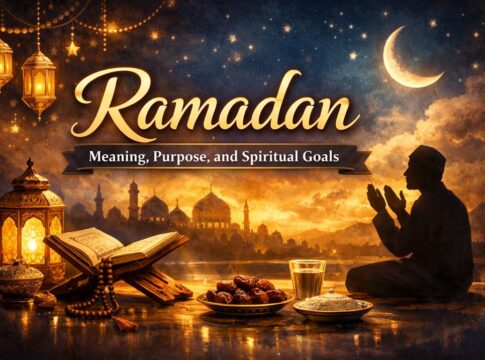

Ramadan: Meaning —Ramadan is the ninth month of the Islamic lunar calendar and holds a unique position in the hearts of over 1.9 billion Muslims worldwide. This sacred month is not simply about abstaining from food and drink; it represents a period of spiritual renewal, increased devotion, and conscious submission to Allah’s commandments. For Muslims, Ramadan is much more than a ritualistic fast—it’s an annual opportunity to purify the soul, strengthen faith, and reorient one’s life toward spiritual excellence.
In this comprehensive article, we will explore in depth the meaning of Ramadan, its divine purpose, the spiritual goals Muslims strive to achieve throughout the month, and the profound ways in which Ramadan transforms the hearts and lives of believers.
1. What Is Ramadan?
Ramadan (رَمَضَان) is the ninth month of the Islamic calendar, observed by Muslims as a month of fasting, prayer, reflection, and community. The month commemorates the revelation of the Qur’an to Prophet Muhammad (peace and blessings be upon him), which began during this month.
READ MORE: How to Fast in Ramadan for Spiritual Growth
The word Ramadan itself comes from the Arabic root “ramada” which means to scorch, parch or burn with intense heat, symbolic of the intense spiritual purification and discipline Muslims undergo during this month.
1.1 The Islamic Calendar and Ramadan
The Islamic calendar is a purely lunar calendar consisting of 12 months based on the phases of the moon. Because of this, Ramadan shifts earlier by about 10 to 11 days each year in the Gregorian calendar. This means that over time, Ramadan occurs in all seasons—bringing unique challenges and lessons based on climate, culture, and environment.
2. The Pillar of Fasting
Fasting in Ramadan is not optional—it is one of the Five Pillars of Islam, making it a central and defining act of worship for Muslims. Allah says in the Qur’an:
“O you who believe! Fasting is prescribed for you as it was prescribed for those before you, that you may attain taqwa (piety).”
— Surah Al-Baqarah [2:183]
This verse establishes fasting not merely as a physical act but as a means to cultivate taqwa, or God-consciousness.
2.1 What Does Fasting Mean?
Fasting (sawm) in Ramadan means abstaining from:
-
Food
-
Drink
-
Sexual relations
-
Smoking
-
Intentional evil speech and actions
from the break of true dawn (Fajr) until sunset (Maghrib), with the intention (niyyah) of fasting solely for Allah.
3. The Spiritual Purpose of Ramadan
Ramadan is a time for introspection, self-discipline, and spiritual upliftment. While the physical fast is observable, its true essence lies in the inner transformation it inspires.
3.1 Taqwa: The Ultimate Objective
The Qur’an explicitly states that the purpose of fasting is to develop taqwa, meaning:
-
Fear of Allah
-
Awareness of His presence
-
Avoidance of sins
-
Conscious obedience to divine guidance
Fasting disciplines the soul and aligns the believer’s priorities toward righteousness and away from heedlessness.
3.2 Detaching from Worldly Distractors
Ramadan teaches Muslims to detach from worldly indulgences. When you fast, you experience:
-
Hunger and thirst
-
Fatigue
-
Delayed gratification
This cultivates empathy for the less fortunate and reminds the believer that true fulfillment comes from spiritual nourishment, not worldly pleasures.
4. Ramadan as a Month of Revelation
One of the most significant aspects of Ramadan is its association with the Qur’an. It was during this month that Allah revealed the first verses of the Qur’an to Prophet Muhammad (peace be upon him) through Angel Jibril (Gabriel). The revelation began on Laylat al-Qadr, the Night of Decree, described as better than a thousand months.
4.1 Laylat al-Qadr: The Night of Power
Allah says:
“Indeed, We sent it [the Qur’an] down on the Night of Decree.
And what can make you know what is the Night of Decree?
The Night of Decree is better than a thousand months.”
— Surah Al-Qadr [97:1–3]
Muslims intensify worship during the last ten nights of Ramadan, seeking this blessed night through prayer, Qur’an recitation, and supplication.
5. Spiritual Goals of Ramadan
Ramadan is not merely about endurance—it is about elevation. Muslims pursue several spiritual goals during this month:
5.1 Increasing Worship
Muslims increase acts of worship, including:
-
Recitation of the Qur’an
-
Night prayers (Tarawih)
-
Dhikr (remembrance of Allah)
-
Duʿāʾ (supplication)
These acts solidify spiritual habits that ideally continue beyond Ramadan.
5.2 Repentance and Seeking Forgiveness
Ramadan is a powerful season of repentance. Muslims ask Allah for forgiveness (istighfar) and strive to cleanse their hearts from past sins and shortcomings. The belief is that sincere repentance wipes out previous sins and brings one closer to Allah.
READ MORE: Powerful Duas for Each Day of Ramadan
5.3 Developing Patience and Self-Control
Fasting is training for the soul. By refraining from physical impulses, Muslims strengthen:
-
Patience (sabr)
-
Restraint
-
Moral discipline
-
Emotional balance
These virtues are not only beneficial in Ramadan but essential for lifelong spiritual development.
5.4 Charity and Social Solidarity
Ramadan encourages generosity. Muslims are required to pay Zakat al-Fitr, a charity given to the needy before Eid prayer. Additionally, fasting fosters compassion for those who are less fortunate, motivating greater voluntary charity (sadaqah).
6. How Ramadan Shapes Character
Ramadan serves as a spiritual reset, instilling qualities that refine character:
6.1 Humility
Experiencing hunger and thirst serves as a powerful reminder of human dependence on Allah, fostering humility and gratitude for His provisions.
6.2 Empathy and Compassion
Through hunger and restraint, Muslims empathize with the suffering of the poor and hungry around the world—turning sensitivity into actionable charity.
6.3 Gratitude (Shukr)
Every meal after sunset (Iftar) becomes a moment of gratitude, recognizing Allah’s mercy and sustenance. Gratitude deepens one’s appreciation for life’s blessings—both big and small.
6.4 Discipline
Ramadan demands strict observance of designated prayer times, fasting hours, Qur’an recitation, and spiritual routines. This cumulative discipline strengthens resolve and nurtures lifelong commitment to faith.
7. Fasting Beyond Food: The Behavioral Aspect
Ramadan emphasizes ethical conduct. Prophet Muhammad (peace be upon him) said:
“Whoever does not give up false speech and evil actions, Allah has no need of his leaving his food and drink.”
— Sahih Al-Bukhari
This highlights that fasting is not only about refraining from eating or drinking—it is about morally upright behavior.
7.1 Guarding the Tongue
Verbal discipline is crucial. Muslims strive to avoid:
-
Gossip
-
Backbiting
-
Lying
-
Harsh speech
7.2 Guarding the Actions
Fasting requires conscientious conduct in all matters:
-
Obedience to Allah
-
Compassion toward others
-
Honest dealings
-
Helping those in need
8. Ramadan and the Qur’an
One of the major spiritual goals in Ramadan is deepening the connection with the Qur’an.
8.1 Increased Recitation
Many Muslims aim to complete the entire Qur’an at least once during Ramadan. This regular engagement fosters:
-
Reflection (tafakkur)
-
Understanding (taʿawwun)
-
Spiritual insight
8.2 Reflective Reading
Ramadan encourages not just recitation, but contemplation of the meanings, lessons, and guidance embedded in the Qur’an.
9. Night Prayers (Tarawih)
During Ramadan, Muslims gather in mosques to perform Tarawih prayers—special nightly prayers that involve reciting large portions of the Qur’an. These prayers strengthen:
-
Communal bonds
-
Spiritual fervor
-
Evening worship
-
Consistency in prayer life
10. Zakat al-Fitr and Charity
10.1 Zakat al-Fitr
This obligatory charity ensures that even the poorest in society can partake in Eid celebrations. It purifies the fasting person’s wealth and fosters community support.
10.2 Voluntary Charity (Sadaqah)
Ramadan intensifies charity. Muslims give generously knowing the rewards are multiplied during this month.
11. Eid al-Fitr: The Celebration After Fasting

The conclusion of Ramadan is marked by Eid al-Fitr, the Festival of Breaking the Fast—a joyous occasion celebrated with:
-
Morning prayer
-
Family gatherings
-
Gift-giving
-
Feasting
-
Gratitude to Allah
Eid reminds Muslims of the unity, sacrifice, and spiritual accomplishments achieved during Ramadan.
12. Common Misconceptions about Ramadan
12.1 Ramadan Is Only About Fasting Food and Drink
While physical fasting is essential, the greater goal is spiritual discipline, moral reform, and increased devotion.
12.2 Ramadan Is Only for Adults
Children may observe partial fasts to gradually build discipline and spiritual awareness under guidance.
12.3 Ramadan Is Only a Ritual
Rather, Ramadan is a comprehensive spiritual training that influences one’s behavior, character, and life trajectory.
13. Practical Tips to Maximize Spiritual Gains
13.1 Establish Strong Intentions
Intend fasting and worship sincerely for Allah’s sake alone.
13.2 Plan a Qur’an Routine
Allocate time each day for Qur’an recitation, learning, and reflection.
13.3 Prioritize Prayers
Ensure punctuality in the five daily prayers and participate in Tarawih.
13.4 Seek Laylat al-Qadr
Diligently worship in the last ten nights to seek this blessed night.
13.5 Balance Rest and Worship
Take care of your health to maintain spiritual and physical strength throughout the month.
14. Ramadan and Psychological Well-Being
Scientific research supports what spiritual scholars have long known: fasting and mindfulness practices improve mental clarity, emotional resilience, and empathy.
14.1 Increased Mindfulness
Abstaining from distractions and focusing on worship creates a state of heightened mindfulness.
14.2 Emotional Stability
Regular prayer, remembrance, and community bonding lead to improved emotional health.
15. Life After Ramadan
The lessons of Ramadan must not end with the month itself. Its true success is measured by how its values and practices transform everyday life:
-
Continued Qur’an engagement
-
Consistent prayer
-
Charity beyond Ramadan
-
Patience and humility
-
Empathy for others
Conclusion
Ramadan is far more than a month of fasting—it is a transformative spiritual journey. It calls believers to:
-
Deepen their faith
-
Renew their commitments to Allah
-
Purify their hearts
-
Elevate their character
-
Strengthen community bonds
Through self-discipline, devotion, and reflection, Ramadan shapes not just behavior, but identity. It is a divine gift—a time to remember that life’s greatest purpose lies not in worldly pursuits, but in striving for Allah’s pleasure and eternal success.
May Allah accept our fasts, prayers, and good deeds in this blessed month—and make us from those who emerge from Ramadan renewed in faith, insight, and righteousness.