
Militant groups linked to Al-Qaeda and Islamic State are rapidly expanding their operations across the remote border areas connecting Niger, Benin, and Nigeria, according to a new report by conflict researchers. What were once quiet transit corridors are increasingly becoming active conflict zones.
A recent study by the Armed Conflict Location & Event Data Project (ACLED) reveals that violent incidents involving Islamist armed groups in the tri-border region surged by approximately 90% between 2024 and 2025. During the same period, reported fatalities more than doubled, exceeding 1,000 deaths as attacks intensified in frequency and severity.
Expanding Footprint Across Key Border Regions
The report highlights a growing militant presence in several strategic areas:
-
Benin’s Alibori and Borgou departments
-
Niger’s Dosso region
-
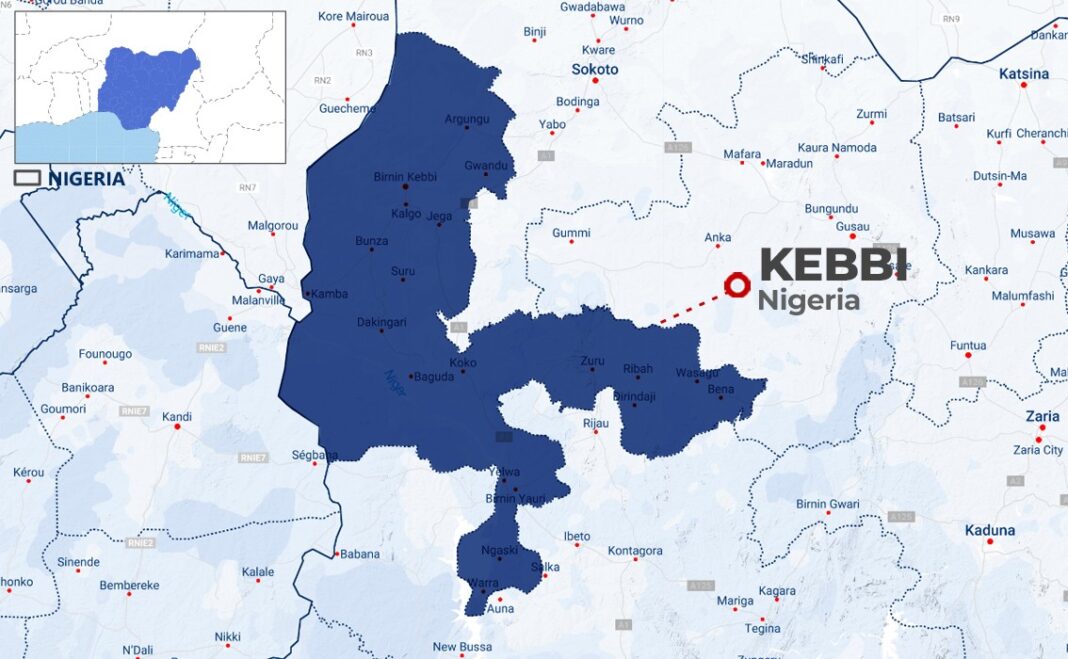
Nigeria’s Sokoto, Kebbi, Niger, and Kwara states
According to ACLED, armed groups aligned with Al-Qaeda and Islamic State are demonstrating a “continued spread, increasing lethality, and rising risks to civilians.” The expansion reflects a broader pattern of instability across West Africa, where national governments and foreign partners have struggled for over a decade to contain extremist violence.
Officials from Nigeria, Niger, and Benin have not publicly responded to the report’s findings.
Growing Militancy in Northwest Nigeria
Nigeria has faced Islamist insurgency for more than 15 years, largely concentrated in the northeast and driven by groups such as Boko Haram and Islamic State West Africa Province (ISWAP). However, recent developments suggest a noticeable shift.
READ MORE: Kebbi Mosque Attack: Six Worshippers Killed
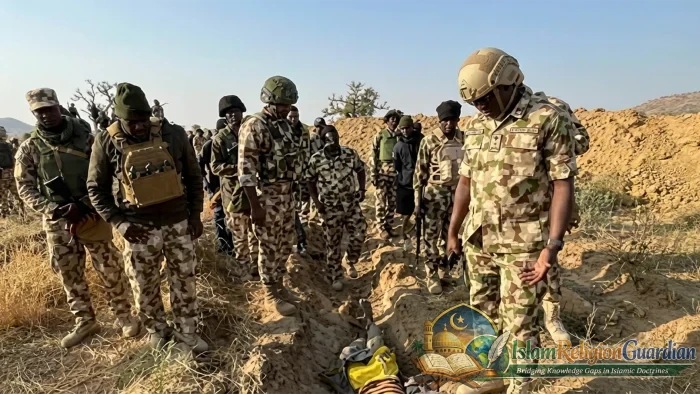
Armed factions affiliated with Al-Qaeda and Islamic State have increased their activity in northwestern Nigeria. The region’s vast forests, limited state presence, and porous borders provide strategic advantages for insurgents seeking mobility, recruitment opportunities, and operational concealment.
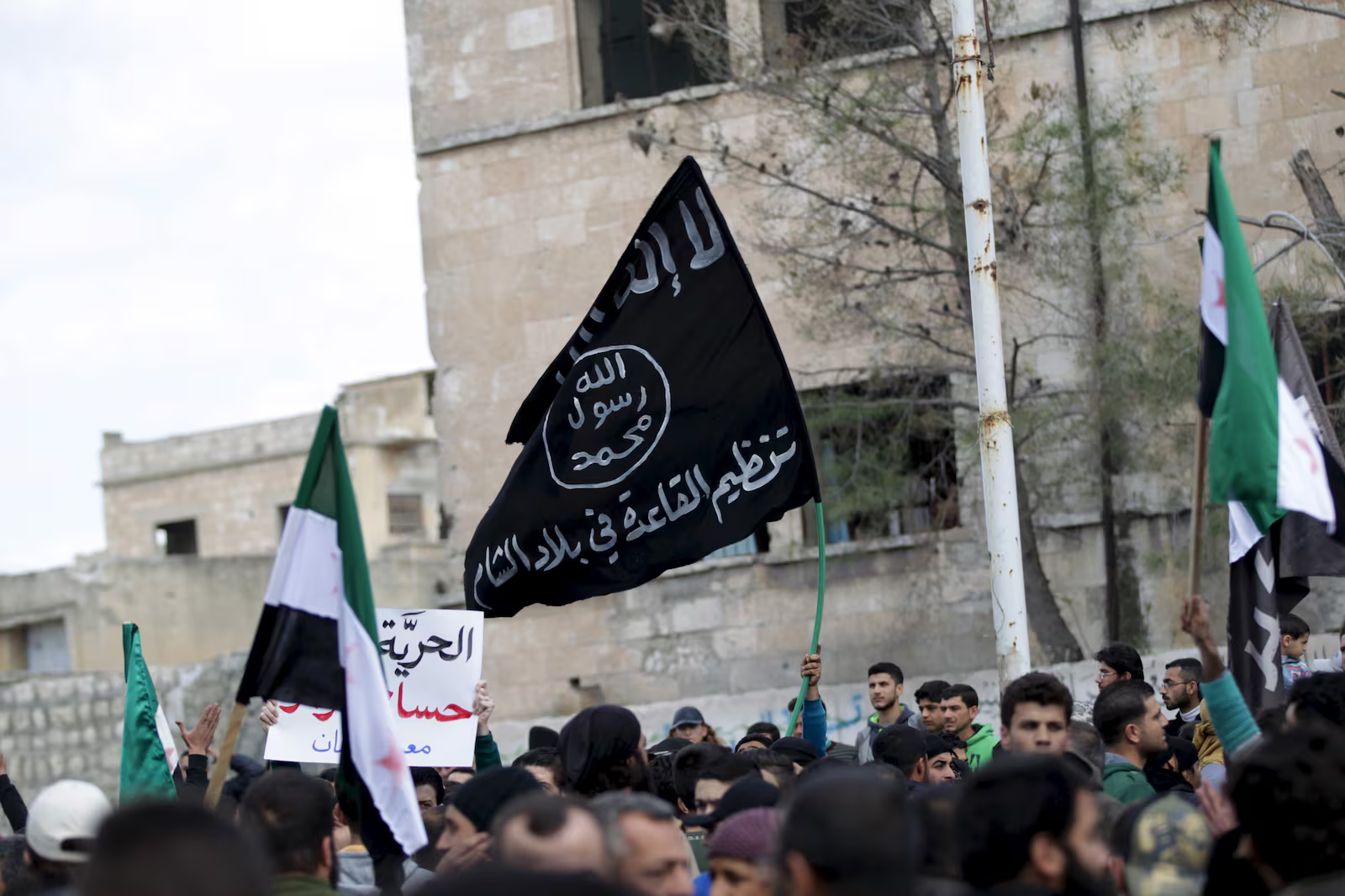
West Africa’s militant landscape is fragmented, with several factions operating under broader umbrellas. Prominent among them are Jama’at Nusrat al-Islam wal-Muslimin (JNIM), which is aligned with Al-Qaeda, and Islamic State in the Sahel Province (ISSP). Competition among these groups may be contributing to escalating violence.
Political Instability and Regional Impact
The expansion of militant operations has significantly affected political stability across the Sahel and coastal West Africa. Since 2020, military takeovers have occurred in Mali, Burkina Faso, and Niger, with junta leaders citing insecurity and the inability of civilian governments to curb extremist violence as justification.
In Benin, soldiers involved in a failed coup attempt in December also referenced deteriorating security conditions. These developments illustrate how prolonged instability in border areas can weaken governance structures and fuel broader political crises.
Foreign Military Involvement and Weakening Regional Coordination
External actors have also become involved. The United States conducted airstrikes in northwestern Nigeria in December and has begun deploying a limited number of military personnel to train Nigerian forces engaged in counter-insurgency operations.
At the same time, regional security coordination has weakened. Niger, Burkina Faso, and Mali — now governed by military administrations — have withdrawn from certain regional blocs, complicating joint counterterrorism efforts and reducing intelligence-sharing mechanisms that previously supported cross-border operations.
Competition Driving Escalation
ACLED researchers note that jihadist groups have increasingly publicized their operations in the tri-border zone. This heightened communication could signal rivalry among factions. Such “outbidding” behavior — where groups compete to demonstrate strength and relevance — often results in more aggressive tactics and higher civilian casualties.
Sparse governance, limited infrastructure, and porous borders across the Sahel have long created opportunities for armed groups. These frontier zones allow militants to evade security forces, resupply fighters, and establish influence over vulnerable communities.
A Worsening Security Outlook
The sharp rise in attacks and fatalities in the Niger–Benin–Nigeria border region underscores a troubling trajectory. Without stronger regional cooperation, effective governance reforms, and sustained security efforts, analysts warn that violence could continue to spread deeper into coastal West Africa.
The situation remains fluid, but the data suggests that the tri-border region has become one of the most volatile flashpoints in West Africa’s ongoing struggle against militant extremism.