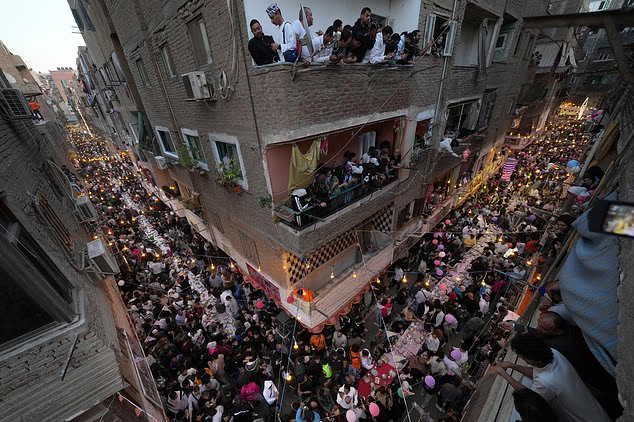

As the crescent moon marks the arrival of Ramadan, millions of Muslims around the world prepare to observe one of the most sacred periods in Islam. The holy month is defined by daily fasting from dawn until sunset, increased devotion, charitable giving, and a renewed focus on spiritual discipline.
For many believers, Ramadan is not only a religious obligation but also a deeply social time that brings families, friends, and communities together, especially during evening meals to break the fast.
When Does Ramadan Begin?
Ramadan is the ninth month of the Islamic lunar calendar, which follows the cycles of the moon. Because of this, the month shifts about 10 to 11 days earlier each year in the Gregorian calendar, moving through different seasons over time.
The official start of Ramadan traditionally depends on the physical sighting of the new crescent moon. As a result, the beginning of the month can vary slightly between countries and communities, depending on moon sightings or astronomical calculations. This year, Ramadan is expected to begin around mid-February, though final dates are confirmed locally.
READ MORE: Staying Active During Ramadan: Should You Keep Exercising?
Notably, the start of Ramadan may coincide with religious observances in other faiths, highlighting a shared period of reflection and self-discipline across traditions.
The Spiritual Meaning of Fasting
Fasting during Ramadan is one of the Five Pillars of Islam, alongside the declaration of faith, daily prayers, charity, and pilgrimage to Mecca. From dawn to sunset, Muslims abstain from food and drink — including water — as an act of worship and obedience to God.
Beyond physical restraint, fasting is meant to cultivate moral awareness. Many Muslims view it as a way to strengthen self-control, deepen gratitude, purify intentions, and develop empathy for those who struggle with hunger and poverty.
Daily Rituals During Ramadan
Each fasting day begins with a pre-dawn meal known as suhoor, which helps provide energy and hydration for the hours ahead. At sunset, the fast is broken with iftar, often starting with dates and water, followed by a shared meal.
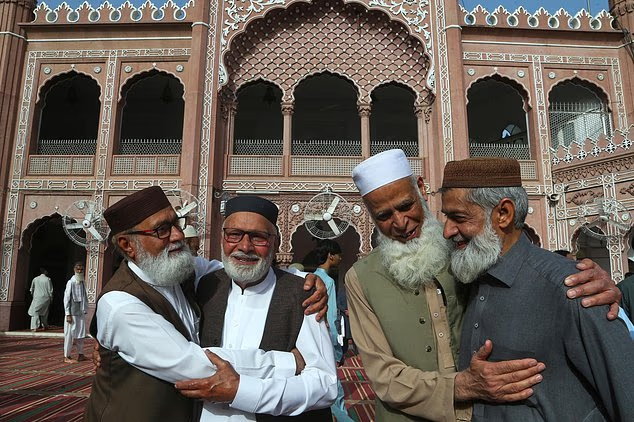
Mosques become especially active during Ramadan, with worshippers attending additional nightly prayers and dedicating more time to reading and reflecting on the Quran. Acts of charity also increase significantly, with individuals and organizations providing meals, food packages, and financial support to those in need.
Certain groups — including travelers, the sick, pregnant women, and the elderly — are exempt from fasting. Missed fasts due to temporary reasons are typically made up later.
Cultural Traditions Across the World
While fasting and prayer form the core of Ramadan, cultural expressions of the month vary widely across regions.
In Cairo, streets often come alive with colorful lanterns, festive lights, and traditional songs welcoming the holy month. A long-standing custom includes the mesaharati, a night caller who walks through neighborhoods before dawn, beating a drum to wake residents for suhoor.
READ MORE: Ramadan: Scholars Caution Muslims on Online Conduct, Zakat Duties
In Indonesia, Ramadan traditions differ by region. In Aceh, communities mark the arrival of the month with Meugang, during which animals are slaughtered and the meat is shared with relatives and the less fortunate. In Tangerang, residents gather by the Cisadane River for symbolic cleansing rituals ahead of the fast, while torchlight parades and religious songs are common across parts of Sumatra.
In the United States, Muslim communities often come together at mosques and Islamic centers for communal iftars and prayers. Interfaith iftar gatherings are also increasingly common, offering opportunities for dialogue and shared understanding.
Balancing Faith and Festivity
In some regions, Ramadan has taken on a more commercial tone, with elaborate decorations, television programming, and lavish iftar banquets. While some Muslims express concern that this can overshadow the spiritual essence of the month, others believe that cultural celebrations — when kept in moderation — can coexist with devotion.
Ultimately, Ramadan remains a time centered on faith, compassion, and self-reflection.
The End of Ramadan
The conclusion of the month is marked by Eid al-Fitr, a joyful Islamic holiday celebrated with special prayers, charitable giving, and family gatherings. It serves as both a spiritual milestone and a celebration of perseverance after a month of discipline and worship.
For Muslims around the globe, Ramadan continues to be a powerful reminder of faith, unity, and responsibility toward others — values that resonate far beyond the fasting hours.