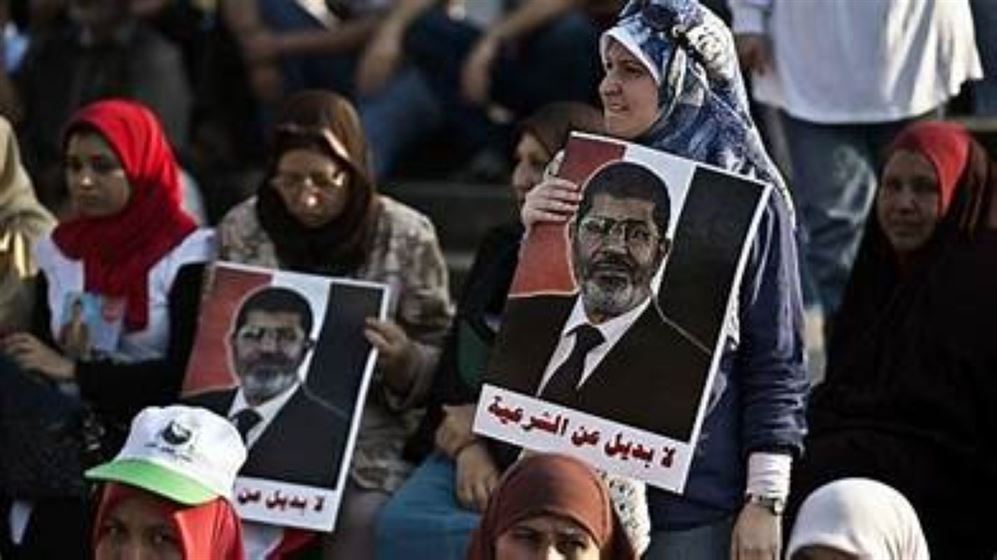

For years, a prevailing belief in the West held that the Muslim Brotherhood posed little to no threat outside the Middle East. Their actions were largely viewed as a regional issue, disconnected from their expanding international presence. However, this perception is rapidly changing.
Security analysts and lawmakers now assert that the Brotherhood’s core ideology remains consistent globally, even as its tactics evolve to fit each local context. According to experts, this strategic flexibility allows the organization to remain effective while operating under the radar in diverse environments.
Who Are the Muslim Brotherhood?
Founded in Egypt in 1928 by Hassan al-Banna, the Muslim Brotherhood is a Sunni Islamist movement with a vision of reshaping society through the implementation of Sharia law. Over the decades, it has expanded beyond religious preaching into social services, education, and politics—building a transnational network of influence.
READ MORE: Muslim Empathy in Action: A Landmark Visit to Israel
Although the organization promotes a narrative of political reform and social justice, critics argue that its long-term goals are fundamentally at odds with democratic principles. Its ideology, which seeks to align public life with Islamic tenets, has garnered both admiration and alarm, depending on the geopolitical lens applied.
Allegations and International Designations
Despite its broad social footprint, the Brotherhood has been outlawed in several Arab nations, including Egypt, where authorities have accused it of fomenting unrest and violence. Some Western scholars and policy institutes echo this stance, describing the group as a breeding ground for radical ideologies.
READ MORE: Canada’s Gaza Response Undermining Muslim-Canadians’ Sense of Belonging, Warns Federal Envoy
Cynthia Farahat, in her investigative work The Secret Apparatus: The Muslim Brotherhood’s Industry of Death, characterizes the organization as the originator of modern Islamic terrorism. She warns of its alleged ties to extremist actions and its ability to radicalize individuals across continents.
Although the Brotherhood officially denies involvement in terrorism, the widespread arrests, violent incidents, and political upheavals across the Middle East and North Africa have raised red flags among intelligence communities.
A Deepening Presence in France
In France, government authorities have released a detailed report revealing what they describe as a calculated “entryism” strategy by the Brotherhood. According to the report, the organization has direct control over at least 139 mosques and affiliations with an additional 68. Furthermore, it runs 280 community-focused entities, including schools and charity groups.
The report claims the Brotherhood is working to create a parallel societal infrastructure—one that influences the lives of French Muslims from birth to death. French officials view this as a direct challenge to the Republic’s secular values.
Interior Minister Bruno Retailleau expressed deep concern, stating that the Brotherhood’s alleged goal is to subtly steer French society toward Islamic law, a move deemed “incompatible” with national cohesion.
Legislative Push in the United States
In the United States, lawmakers are moving forward with legislation aimed at designating the Muslim Brotherhood as a foreign terrorist organization. The Muslim Brotherhood Terrorist Designation Act of 2025, led by Senator Ted Cruz and Representatives Mario Diaz-Balart and Jared Moskowitz, is gaining traction in Congress.
If passed, the bill would enable the government to impose financial and travel-related sanctions on the organization and its affiliates. Should the measure stall, there is speculation that former President Donald Trump—if returned to office—may consider taking executive action.
Lorenzo Vidino, director of the Program on Extremism at The George Washington University, has publicly advocated for the use of existing legal frameworks to curb the influence of Brotherhood-affiliated groups operating within the United States.
A Network of Influence Across Europe
European intelligence agencies remain increasingly wary of the Brotherhood’s reported operations. They suggest that the organization, via umbrella entities like the Federation of Islamic Organizations in Europe (FIOE/CEM) and its youth offshoot FEMYSO, has embedded itself in civil society through what many see as “front organizations.”
These groups are alleged to serve as facades, facilitating the Brotherhood’s reach into educational institutions, charities, and even local government—without overtly identifying with the parent movement. Though these efforts have not yet led to proven terrorist activities in Europe, security agencies describe the ideology as “subversive, undemocratic, and incompatible with European values.”
Calls for Caution and Accountability
While no representatives from the Brotherhood or its affiliated organizations were available for comment during the time of this report, the group has repeatedly denied any ties to terrorism or extremism.
Still, the growing consensus among Western security agencies is that underestimating the group’s long-term strategy could pose serious risks. Critics argue that it is naïve to assume an organization accused of radicalism in one region would act benignly in another.
As debates continue, governments face the complex challenge of identifying genuine security threats while ensuring the civil liberties of millions of peaceful, law-abiding Muslims are protected. Striking this balance remains one of the most pressing issues for policymakers in the years ahead.
Conclusion
The global spread of the Muslim Brotherhood is prompting a reevaluation of its influence, strategies, and intentions. As awareness grows, so too does the call for vigilance—from lawmakers, intelligence agencies, and communities alike. Whether through legislation, public policy, or civil oversight, the West is being urged to confront this multifaceted issue with clarity, nuance, and above all, balance.