
Public anger has erupted after a far-right organisation encouraged parents to prevent their children from attending a school-organised visit to a mosque, sparking concerns over hate speech, community safety, and the targeting of schools.
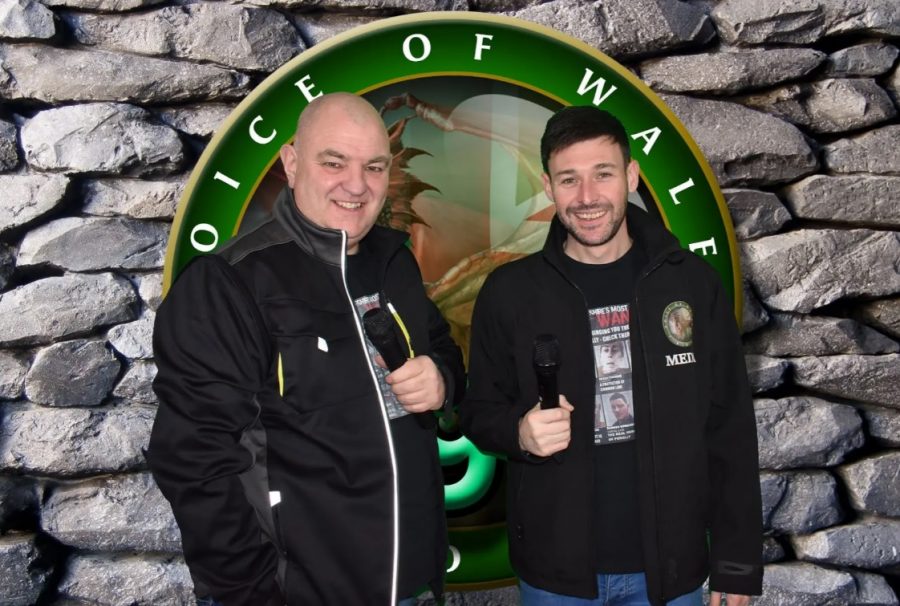
The group, Voice of Wales, which operates primarily in Swansea and Llanelli, published a social media post criticising an educational trip planned by Furnace Welsh Primary School. The visit includes a stop at Sketty Mosque as part of a broader learning programme designed to introduce pupils to different cultures and faiths.
Rather than focusing on the educational purpose of the visit, the post mocked the school’s decision and framed the mosque visit as inappropriate, despite listing multiple cultural attractions in Swansea. The message was followed by comments portraying Muslims in an extreme and hostile manner, culminating in a direct call urging parents to stop their children from attending.
The post has since been widely condemned for promoting anti-Muslim sentiment.
Background on Voice of Wales
Voice of Wales is linked to far-right activists Dan Morgan and Stan Robinson. Morgan, who previously received a suspended prison sentence for his involvement in a call-centre fraud operation targeting elderly victims, has been associated with extremist online activity.
In 2023, Morgan was convicted for his role in a scam that persuaded vulnerable individuals to pay large sums after being falsely told they were owed PPI refunds. Investigations later revealed his involvement in online political groups operating under pseudonyms, some of which expressed support for the Reform party.
Anti-fascist monitoring group Far Right Watch Wales has previously highlighted the organisation’s activities, raising concerns over its influence and online reach.
Calls for Police Action and Political Condemnation
The backlash intensified after Llanelli Labour town councillor Shaun Greaney described the comments as deeply dangerous and warned they could incite hatred and place a local school at risk.
He stressed that school visits to places of worship are part of a nationally recognised approach to education, aimed at helping children understand different beliefs, cultures, and communities.
According to Greaney, placing a primary school at the centre of extremist rhetoric puts pupils, parents, and teachers under unnecessary pressure and exposes them to potential threats.
He urged Dyfed-Powys Police and South Wales Police to examine whether the remarks breach laws related to hate speech or public order, warning of past incidents where far-right agitation escalated into real-world unrest.
The councillor also called on political parties to clearly distance themselves from Voice of Wales and publicly reject its rhetoric.
Public Reaction: Criticism Outweighs Support
While a minority of social media users expressed support for the boycott call, a significant number strongly criticised the post.
Several commenters argued that the message relied on fear, misinformation, and collective blame rather than genuine concern for children’s wellbeing. Others pointed out that similar language directed at any other faith would be widely recognised as discriminatory.
Some members of the public shared personal experiences of visiting mosques during school trips, noting that such visits encouraged understanding rather than indoctrination.
Others emphasised that extremism exists across ideologies and religions, and that it is individuals—not faiths—that are responsible for violence and intolerance.
Education, Not Indoctrination
Educators and community leaders have reiterated that visits to religious institutions are not about promoting belief, but about learning, respect, and coexistence.
Schools across Wales regularly organise trips to churches, mosques, synagogues, and temples as part of their curriculum, helping students grow into informed, tolerant citizens.
Many critics warned that attacking such initiatives risks deepening social divisions and undermining the values of education and mutual respect.
Editor’s Note
Hate speech and incitement against any community undermine social cohesion. Schools should remain safe spaces for learning, free from intimidation or extremist pressure.