
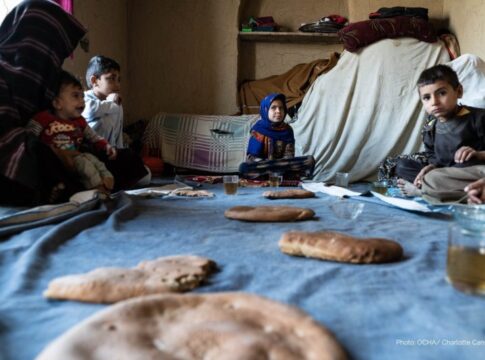

The World Food Programme (WFP) has raised alarm over worsening hunger conditions in Afghanistan as Muslims across the country begin observing Ramadan.
In a statement released on Tuesday, February 24, the UN food agency said millions of Afghans are entering the holy month under severe economic strain, with many families uncertain about their next meal.
17 Million Facing Acute Food Insecurity
According to WFP data, approximately 17 million people in Afghanistan are currently experiencing acute food insecurity. The agency noted that while Ramadan is traditionally marked by generosity, spiritual reflection, and communal support, the ongoing economic downturn has intensified hardship for vulnerable communities.
READ MORE: Firing During Taraweeh Prayers in Charsadda Claims Four Lives
Years of economic instability, recurring drought, and limited access to essential services have left many households without steady income. As a result, families are struggling to meet basic nutritional needs at a time when food consumption patterns typically increase.
Vulnerable Groups at Greater Risk
WFP emphasized that children, pregnant women, and breastfeeding mothers remain among the most at-risk groups. Specialized nutrition programs targeting these populations are ongoing, aimed at preventing malnutrition and safeguarding maternal and child health.
However, the agency cautioned that these life-saving initiatives face significant uncertainty due to funding gaps. Without additional financial support from international donors, critical food assistance operations may be scaled back, placing millions at further risk.
UN Agencies Call for Urgent Support
Multiple United Nations bodies have warned that at least 17 million people across Afghanistan require urgent humanitarian aid to cope with worsening economic and social conditions. Aid agencies say sustained international assistance is essential to prevent further deterioration.
Rising food prices have compounded the crisis, reducing purchasing power for families already grappling with unemployment and poverty. As Ramadan unfolds, humanitarian organizations are appealing for renewed global commitment to ensure vulnerable Afghans receive the support they need.
The WFP reiterated its commitment to working with partners to deliver emergency food supplies but stressed that immediate funding is critical to sustain operations throughout the holy month and beyond.


