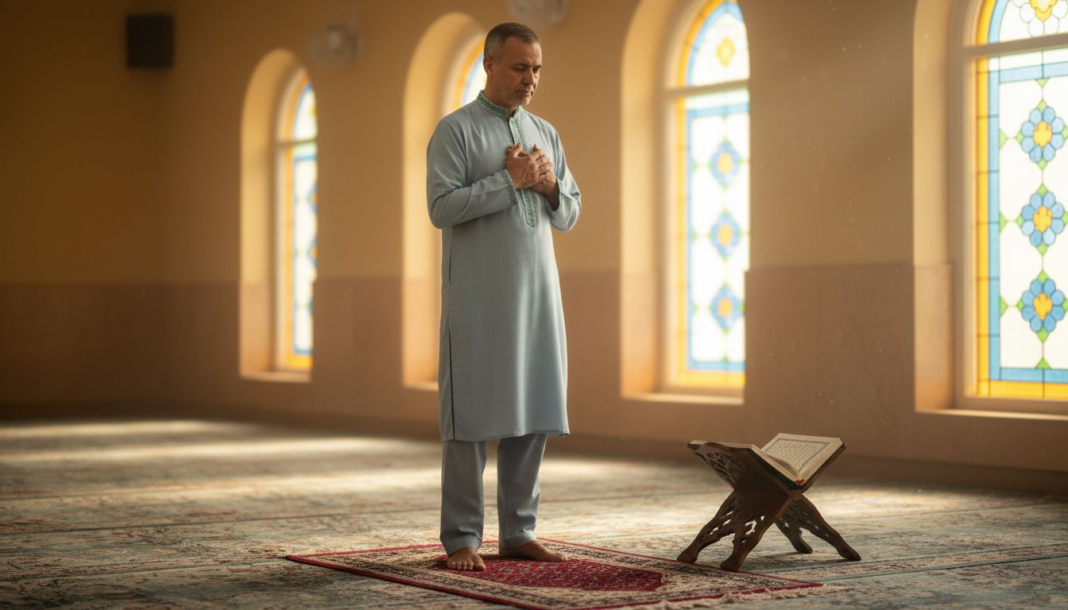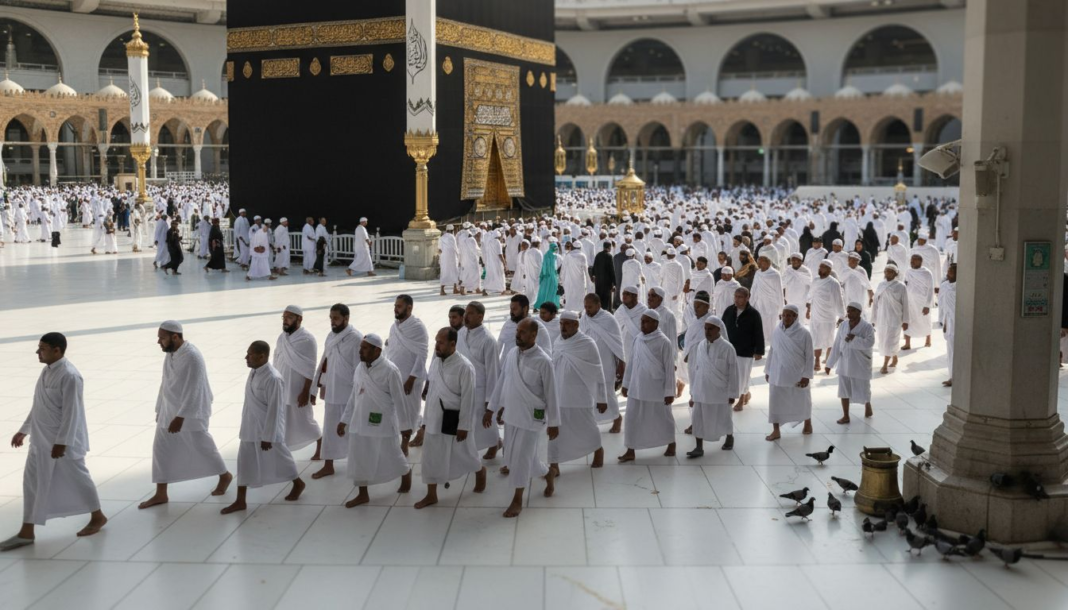

Feeling both excitement and uncertainty as you prepare for Hajj is completely natural, especially if it is your first time. This sacred pilgrimage holds a unique place in the heart of every Muslim, connecting you not only to centuries of tradition but also to the footsteps of Prophet Ibrahim. Understanding the true meaning and origins of Hajj helps reveal its role as a pillar of faith, a source of spiritual transformation, and a powerful expression of global Muslim unity.
Why Hajj Is Important for Every Muslim Life
Table of Contents
- Understanding Hajj in Islam and Its Origins
- Spiritual Significance and Lifelong Impact
- Religious Duties and Who Must Perform Hajj
- Global Unity and Lessons in Equality
- Common Misconceptions and Practical Realities
Key Takeaways
| Point | Details |
|---|---|
| Significance of Hajj | Hajj is a fundamental religious obligation that represents a profound spiritual journey for Muslims, embodying core principles of submission and devotion to Allah. |
| Personal and Community Transformation | The pilgrimage enhances individual spiritual renewal while fostering a shared religious identity within the global Muslim community. |
| Accessibility and Inclusivity | Clear guidelines outline who is obligated to perform Hajj, emphasizing the importance of personal capability and social responsibility. |
| Common Misconceptions | Many myths surround Hajj, but understanding the true requirements encourages eligible Muslims to undertake the pilgrimage without unnecessary delay. |
Understanding Hajj in Islam and Its Origins
Hajj represents a profound spiritual journey deeply rooted in Islamic tradition, connecting millions of Muslims worldwide to a sacred pilgrimage with ancient historical significance. Early Islamic scholarly research reveals that the Hajj is far more than a physical movement – it’s a transformative religious experience embedded within the core of Muslim spiritual practice.
The origins of Hajj trace back to Prophet Ibrahim, who is considered a foundational figure in Islamic religious tradition. This pilgrimage commemorates Ibrahim’s unwavering faith and willingness to sacrifice, embodying core principles of submission and devotion to Allah. Historical scholarship indicates that the Hajj evolved from pre-Islamic practices into a centralized ritual that became crucial to Muslim communal identity.
Key aspects of the Hajj pilgrimage include:
- Circumambulation of the Kaaba in Mecca
- Walking between Safa and Marwa hills
- Symbolic stoning of symbolic pillars representing evil
- Wearing simple white garments signifying equality
- Performing specific prayers and ritual sacrifices
The spiritual journey transforms individual Muslims by creating profound connections between personal faith and collective religious experience. Every movement during Hajj carries deep symbolic meaning, representing spiritual purification, humility, and absolute submission to divine will.
Pro tip: Prepare mentally and physically for the Hajj by studying its rituals, understanding its spiritual significance, and consulting experienced pilgrims about practical preparations.
Spiritual Significance and Lifelong Impact
The Hajj pilgrimage transcends a mere physical journey, representing a profound spiritual transformation that reshapes an individual’s entire relationship with faith and community. Profound spiritual rebirth occurs during this sacred experience, where pilgrims undergo a deep internal metamorphosis that extends far beyond the physical rituals.
During the Hajj, Muslims experience several powerful spiritual dimensions:
- Complete erasure of past sins and spiritual cleansing
- Experiencing absolute spiritual equality
- Developing deeper understanding of personal faith
- Connecting with global Muslim community
- Practicing profound humility and self-reflection
The psychological and emotional impact of Hajj is transformative. Pilgrims emerge with a renewed sense of purpose, having confronted personal limitations and experienced a collective spiritual energy that fundamentally alters their worldview. Spiritual renewal becomes not just a concept, but a lived reality that reshapes personal identity and approach to daily life.
Moreover, the Hajj teaches universal lessons of patience, compassion, and human dignity. By stripping away social distinctions and requiring participants to wear simple white garments, the pilgrimage creates a powerful metaphor for human equality, transcending cultural, economic, and racial boundaries.
Here’s a comparison of Hajj’s impact at personal and community levels:
| Impact Area | Individual Effects | Community Effects |
|---|---|---|
| Spiritual Renewal | Deepens personal faith and purpose | Fosters shared religious identity |
| Sense of Equality | Promotes humility and self-reflection | Breaks down social distinctions |
| Lasting Transformation | Shifts worldview and daily outlook | Inspires broader social cohesion |
| Emotional Resilience | Builds patience and inner strength | Models compassion and understanding |
Pro tip: Journal your spiritual insights during and after the Hajj, documenting personal transformations to help integrate the profound experiences into your everyday life.
Religious Duties and Who Must Perform Hajj
Hajj stands as a fundamental religious obligation within Islamic practice, representing one of the most significant spiritual commitments for Muslims worldwide. Islamic legal requirements define specific conditions that determine an individual’s duty to perform this sacred pilgrimage, ensuring that the practice remains accessible and meaningful.
The essential prerequisites for performing Hajj include:
- Being a physically capable adult Muslim
- Having sufficient financial resources for the journey
- Being mentally sound and mature
- Having completed basic religious obligations
- Possessing the necessary travel documentation
- Having permission from legal guardians (for younger individuals)
Muslim scholars have traditionally interpreted the obligation of Hajj through several key principles. While every able Muslim is expected to perform Hajj at least once in their lifetime, the concept of ability encompasses both physical and financial dimensions. This means that individuals facing significant hardship – whether through health challenges, financial constraints, or insurmountable travel barriers – are exempted from the requirement.
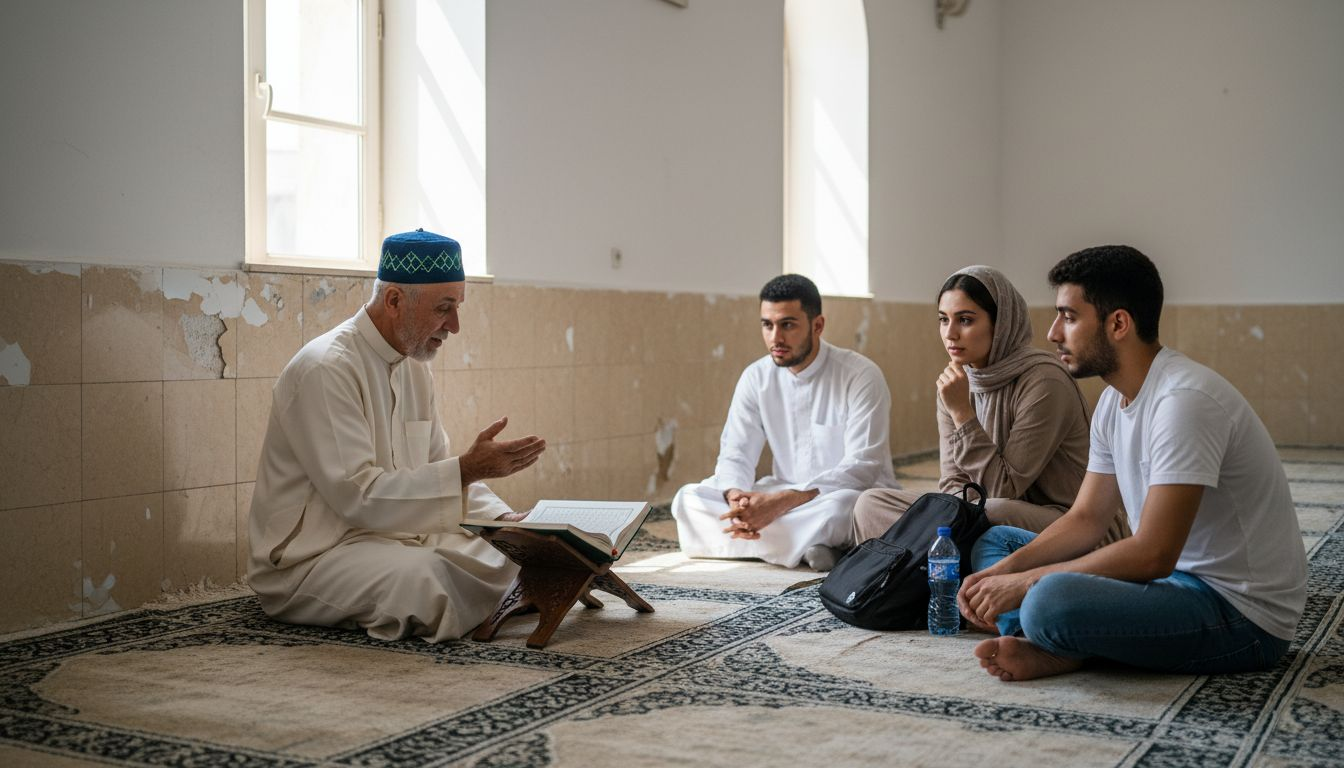
The religious significance extends beyond individual performance. Hajj represents a collective spiritual experience that connects Muslims globally, transcending cultural and geographical boundaries. By establishing clear guidelines about who must perform the pilgrimage, Islamic tradition ensures that the practice remains inclusive, meaningful, and aligned with principles of personal capability and social responsibility.
Pro tip: Consult with a knowledgeable Islamic scholar to understand your specific eligibility and prepare comprehensively for the Hajj journey.
Global Unity and Lessons in Equality
The Hajj pilgrimage represents a profound global phenomenon that transcends national, ethnic, and cultural boundaries, creating a powerful platform for universal human connection. Academic research demonstrates that this spiritual journey significantly enhances understanding and acceptance across diverse human experiences.
Key aspects of unity and equality during Hajj include:
- Wearing identical white garments that eliminate social distinctions
- Standing shoulder-to-shoulder regardless of economic background
- Performing identical rituals for all participants
- Sharing communal spaces without hierarchical separation
- Experiencing collective spiritual transformation
The pilgrimage powerfully challenges existing social barriers by creating a universal spiritual environment where individual differences become irrelevant. Global research highlights how millions of Muslims from different backgrounds converge, demonstrating that human connection can transcend complex sociopolitical divisions. This extraordinary gathering becomes a living testament to the potential of mutual understanding and respect.
Moreover, the Hajj experience cultivates profound psychological shifts. Pilgrims often return with expanded perspectives, increased empathy, and a deeper commitment to principles of social justice. By experiencing absolute equality during the pilgrimage, participants internalize powerful lessons about human dignity that extend far beyond the immediate spiritual context.
Pro tip: Approach the Hajj with an open heart, actively seeking connections with fellow pilgrims from diverse backgrounds to maximize your understanding of global Muslim unity.
Common Misconceptions and Practical Realities
Hajj is often misunderstood, surrounded by numerous myths that can prevent potential pilgrims from experiencing this profound spiritual journey. Islamic guidance clarifies many misconceptions, emphasizing the importance of understanding the true nature of this sacred pilgrimage.
Common misconceptions about Hajj include:
- Believing Hajj should only be performed in old age
- Thinking sponsoring parents’ pilgrimage fulfills personal obligation
- Assuming physical challenges make Hajj impossible
- Believing expensive travel means Hajj is not accessible
- Misconceiving Hajj as a purely physical ritual
Many Muslims mistakenly delay their spiritual commitment, believing they are not yet ready or worthy. However, Islamic teachings stress that eligible individuals should perform Hajj when physically and financially capable, without unnecessarily postponing this crucial religious duty. The pilgrimage is not about perfection, but about sincere intention and spiritual dedication.
Practical preparation is crucial for transforming misconceptions into meaningful experiences. Understanding the real requirements – physical fitness, financial readiness, and spiritual intention – helps pilgrims approach Hajj with realistic expectations. Each individual’s journey is unique, and the spiritual significance transcends superficial concerns about age, background, or personal limitations.
The following table summarizes common misconceptions versus the realities of Hajj:
| Misconception | Reality | Practical Implication |
|---|---|---|
| Only for old age | Recommended when capable, regardless of age | Early performance encouraged |
| Others can fulfill duty for you | Each eligible Muslim must perform their own Hajj | Cannot delegate personal obligation |
| Physical hardship makes it impossible | Exemptions exist but capability is assessed individually | Seek guidance for unique situations |
| Only for wealthy individuals | Financial ability is a requirement, not extravagant wealth | Modest means can suffice |
Pro tip: Consult knowledgeable Islamic scholars and experienced pilgrims to dispel personal doubts and gain realistic insights about your Hajj journey.
Discover the True Importance of Hajj in Your Spiritual Journey
The article highlights the deep spiritual transformation and essential religious duties associated with Hajj that every Muslim should understand and prepare for. If you have ever felt uncertain about your eligibility, overwhelmed by misconceptions, or eager to connect with the global Muslim community on this sacred pilgrimage, you are not alone. Many face challenges such as understanding the rituals, overcoming financial or physical barriers, and embracing the profound lessons of equality and renewal.
At Islam Religion Guardian, we empower individuals with accurate and authentic information about Islam to help you confidently approach your Hajj journey. Explore comprehensive resources that clarify your religious obligations, such as who must perform Hajj and why it is a transformative life event. Learn practical tips for spiritual and physical preparation and dispel common misunderstandings by visiting our detailed guides including Religious Duties and Who Must Perform Hajj and Spiritual Significance and Lifelong Impact.

Prepare yourself today by gaining clarity and strength to perform Hajj when the time is right. Visit https://islamreligionguardian.com now and take the next step toward a meaningful pilgrimage, spiritual renewal, and deeper connection with the worldwide Muslim community.
Frequently Asked Questions
What is the significance of Hajj in Islam?
Hajj is a fundamental religious obligation for Muslims, symbolizing spiritual renewal, commitment to faith, and unity within the global Muslim community. It connects individuals to their heritage and enhances their relationship with Allah.
Who is required to perform Hajj?
Every physically and financially capable adult Muslim is obligated to perform Hajj at least once in their lifetime, provided they meet specific Islamic legal requirements.
What are the key rituals performed during Hajj?
The key rituals during Hajj include circumambulating the Kaaba, walking between the hills of Safa and Marwa, stoning pillars that represent evil, wearing simple white garments, and performing prayers and sacrifices.
How can Hajj transform an individual’s spiritual life?
Hajj offers profound spiritual transformation by providing an opportunity for personal reflection, spiritual cleansing, and a deeper connection with the global Muslim community, ultimately reshaping one’s faith and outlook on life.