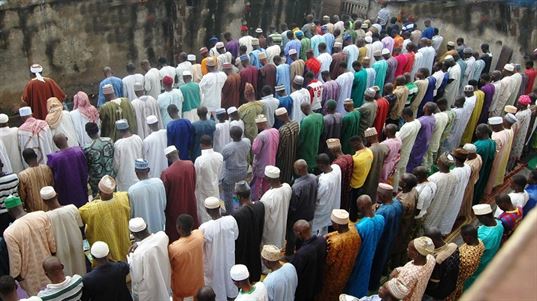

As Japan’s Muslim community continues to expand, now estimated at approximately 350,000 people, the country faces increasing calls to accommodate Islamic burial practices. In a nation where cremation is deeply ingrained, finding appropriate burial plots has become a significant challenge.
According to Japan’s Kyodo News, Governor Yoshihiro Murai of Miyagi Prefecture has acknowledged the issue and expressed his willingness to consider establishing a new cemetery. This came after a local Muslim resident voiced concerns, stating that life in Japan is “very difficult” due to the lack of Islamic burial grounds. Addressing the pressing need, Murai emphasized, “Even if I am criticized, we have to take action.”
However, efforts to secure burial sites have encountered opposition. In Hiji, Oita Prefecture, a proposed Muslim cemetery, supported by the Beppu Muslim Association, was abruptly halted. The project, initially approved by the community in 2023, faced a roadblock when newly elected Mayor Tetsuya Abe refused to sell the designated land. Abe cited potential groundwater contamination as his primary concern, despite prior agreements that included strict burial limitations and annual water quality assessments.
READ MORE: The Senegalese Muslim Sect That Prioritizes Work Over Traditional Worship
Japan’s laws do not explicitly prohibit ground burials, yet cremation remains the overwhelmingly dominant practice, with over 99.9% of cemeteries adhering to it. For Muslims, who are religiously prohibited from cremation, this presents a major cultural and religious challenge. While some local governments are considering designated burial areas, resistance remains widespread. Governor Murai noted, “The government needs to address the lack of attention to multicultural needs.”
With an increasing number of Muslims living in Japan, there has been a growing demand for burial plots to conform with their religious beliefs in a country where cremation is the norm. @kyodo_english @kyodo_official @MuslimTaro @DahwaJapan @MwlJapan #Japanhttps://t.co/AbrkIoQnjF
— Ibrahim Hooper (@ibrahimhooper) January 31, 2025
Tahir Khan, an academic in Oita and a representative of the Beppu Muslim Association, remains steadfast in advocating for burial spaces. “We cannot abandon this cause; future generations of Muslims in Japan deserve the right to proper burials,” he asserted.
Despite Japan’s efforts to attract Muslim tourists and foreign workers, the ongoing struggle for burial rights underscores a broader issue of religious accommodation. With Islam’s presence in Japan steadily growing, the urgency for a national policy to address this challenge is becoming increasingly evident.