The ihram has been removed. The Kaaba, once directly in view, is now a memory etched in the soul. The journey of Hajj or Umrah has ended — outwardly. But the true test of transformation begins now, in the quiet, in the ordinary, and in the familiar. Living as a Hajji Every Day.
READ MORE: A Journey of Faith: The Comprehensive History and Origin of Hajj
This final part of our series explores the most essential phase of the pilgrimage: life after the rites. What does it mean to return from the holy lands and live as a Hajji in the everyday rhythm of life? How do we preserve the purity, the consciousness, and the closeness to Allah that were attained in Makkah and Madinah?
The Real Journey Begins at Home
Many assume that the height of spirituality occurs in Makkah — and while it is undoubtedly a sacred summit, the most meaningful part of Hajj or Umrah begins after we return to our homes, families, and communities.
“And remember your Lord much and glorify Him in the evening and the morning.”
— Surah Al-Ahzab (33:42)
The Prophet Muhammad ﷺ did not isolate himself in devotion after returning from Hajj. Instead, he became even more active in spreading mercy, justice, and good character. The pilgrim is now entrusted with the same duty — to be a walking example of Hajj’s impact.
READ MORE: The Hidden Pilgrimage: Acts That Equal the Reward of Hajj
Signs of an Accepted Hajj or Umrah
While only Allah truly knows who is accepted, scholars of Islam mention signs of an accepted pilgrimage:
-
A Lasting Change in Behavior
Sins are abandoned. Prayer is strengthened. The heart becomes softer and more attentive. -
Greater Humility
A true Hajji returns not with pride, but with a deep sense of humility, knowing they stood where Prophets once stood, and begged for forgiveness like the needy before the King. -
A Renewed Sense of Brotherhood
Having witnessed the unity of the Ummah, the pilgrim now becomes a bridge — resolving disputes, serving others, and avoiding division. -
Consistency in Worship
Hajj isn’t a spiritual high that fades. A sign of acceptance is that the hajji strives to maintain the discipline of Makkah even in the chaos of daily life.
Daily Practices to Stay Spiritually Connected
Returning home often comes with distractions, responsibilities, and old habits. Here are key ways to keep the Hajj spirit alive:
1. Guard the Five Daily Prayers
Just as you prayed with precision in Masjid al-Haram, carry that same devotion home. The prayer is your spiritual recharge station.
2. Make Tawbah a Habit
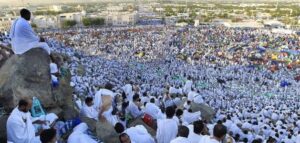
You sought forgiveness in Arafah — now continue that process. Repent often. Keep your heart clean.
3. Serve with Sincerity
Whether it’s your spouse, parent, coworker, or stranger — let your actions reflect the character of a pilgrim who tasted submission.
4. Remember Allah Constantly (Dhikr)
Let your tongue remain moist with remembrance. Even a simple “SubhanAllah” echoes the spirit of those blessed days.
5. Give Charity
You sacrificed during Hajj. Continue to sacrifice for the needy — not just with money, but with time, effort, and compassion.
Protecting the Light
When a candle is lit, it’s vulnerable to the wind. The nur (light) gained in Hajj must be protected — from arrogance, laziness, heedlessness, and sin. Remind yourself:
-
You walked where Prophets walked.
-
You cried at the House of Allah.
-
You were purified like a newborn.
“Whoever performs Hajj and does not commit any obscenity or sin will return as free from sins as the day his mother bore him.”
— Sahih Bukhari
This is not a light gift. It is a trust, a sacred honor that must be guarded.
Sharing the Blessing
Being a Hajji doesn’t mean elevating yourself above others. Rather, it means:
-
Inspiring those around you
-
Teaching what you’ve learned
-
Leading by example in patience, truthfulness, and humility
Even if your community has never seen Makkah, let them see its light in you.
For Those Who Haven’t Yet Gone
Even if you haven’t performed Hajj or Umrah, the spiritual lessons remain universal. You can adopt the values of the journey:
-
Detach from worldly distractions.
-
Submit your will to Allah.
-
Purify your character.
-
Stand in sincere repentance.
“Indeed, the most noble of you in the sight of Allah is the most righteous of you.”
— Surah Al-Hujurat (49:13)
Conclusion: Beyond the Journey, Into the Life
The Hajj ends. The ihram is removed. The plane lands. Life resumes.
But something has changed.
You are no longer who you were. You carry a light, a closeness, a calling.
Now is the time to live your life as a perpetual pilgrim — one whose steps always lead toward Allah, whose heart is always in a state of remembrance, and whose actions reflect a soul that has tasted the sweetness of submission.
“And whoever honors the symbols of Allah – indeed, it is from the piety of hearts.”
— Surah Al-Hajj (22:32)
Thank you for journeying with us through this 8-part series on the spiritual dimensions of Hajj and Umrah. May Allah accept from all who have performed it and grant this sacred journey to all who yearn for it.
Author: Islam Religion Guardian Columnist
Published by: IslamReligionGuardian.com