In a fresh eruption of violence in war-torn Syria, the Israeli military confirmed on Monday that it launched airstrikes targeting Syrian army tanks in the southern region of Sweida. The move comes amidst growing unrest between government-aligned forces and local Druze militias, escalating tensions in a country already destabilized by over a decade of civil war.
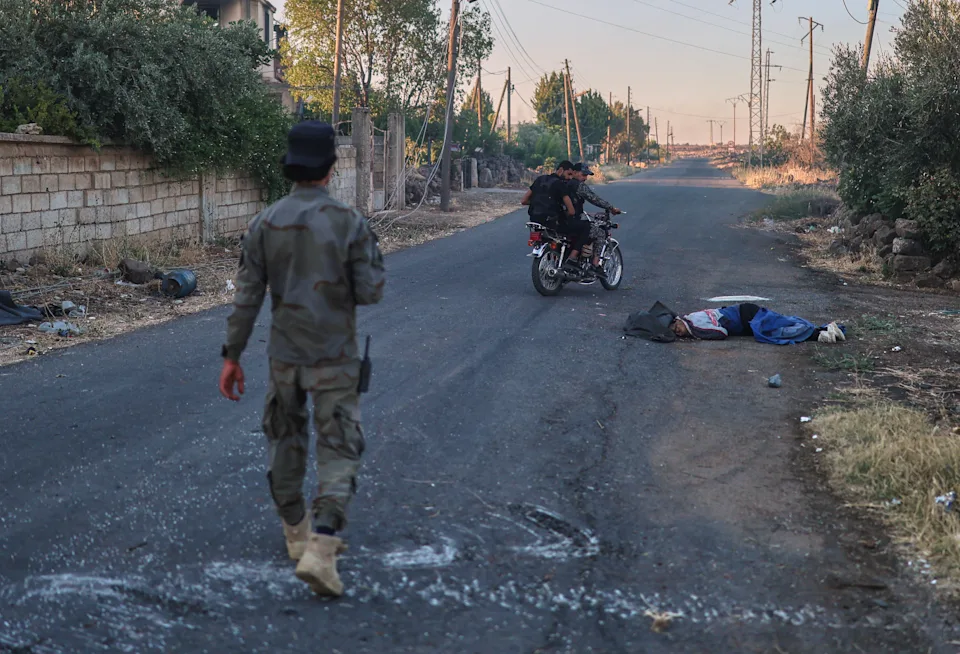
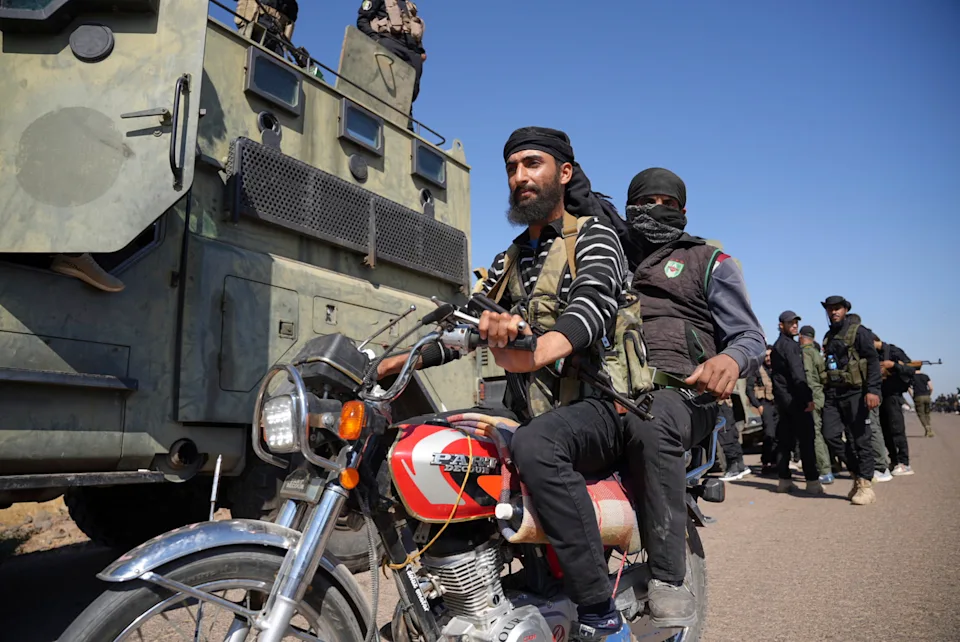
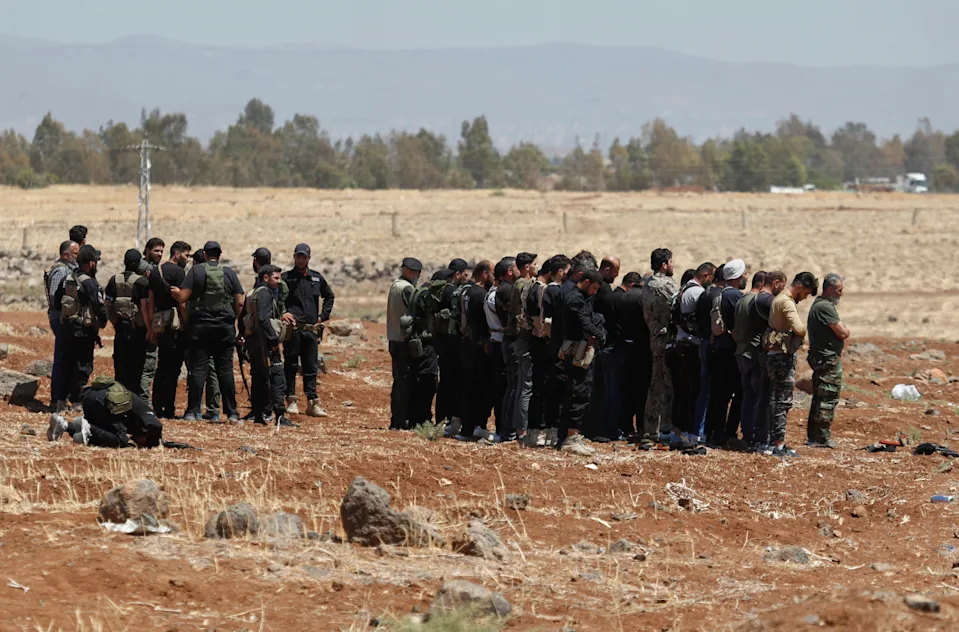
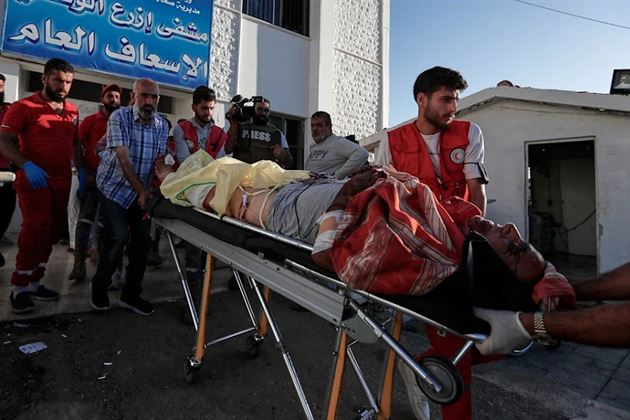
Sweida province, a stronghold of Syria’s Druze minority, has witnessed intense armed confrontations in recent days. The conflict, involving local militias, Bedouin clans, and government troops, has already claimed dozens of lives. Syria’s Interior Ministry reported that more than 30 individuals have been killed, while close to 100 others have sustained injuries. In contrast, the UK-based Syrian Observatory for Human Rights places the death toll at 99, including two children, two women, and at least 14 members of the security forces.
According to observers, the violence began when a Druze vendor was allegedly kidnapped by members of a Bedouin group at a checkpoint. The incident triggered a wave of retaliatory abductions and attacks, plunging the province into a cycle of tribal and political unrest. The Observatory claimed that some Syrian government forces openly sided with the Bedouins in the clashes.
READ MORE: Muslim Inmate Who Won Supreme Court Beard Case Says Arkansas Retaliated with Prison Transfer
Interior Ministry spokesperson Noureddine al-Baba stated that Syrian troops entered Sweida early Monday in an attempt to restore peace. “Our forces are making every effort to avoid civilian casualties,” he told the state-run Al-Ikhbariya TV. He further emphasized that the conflict is “not sectarian,” asserting it is a struggle against “criminals and outlaws, not against any community.”
Despite these reassurances, the government’s response has done little to calm the chaos. The ministry acknowledged a breakdown in local governance and warned of escalating disorder and insecurity in the absence of stable institutions.
The United Nations has also expressed concern over the situation. Najat Rochdi, the UN Deputy Special Envoy for Syria, issued a statement calling on both the Syrian government and local militias to take immediate steps to safeguard civilians and engage in meaningful dialogue. She stressed the urgent need for national reconciliation and inclusive political reforms.
Meanwhile, Israel’s Defense Minister Yoav Gallant issued a firm warning following the strike. He stated that Israel would not tolerate threats to the Druze community, adding, “This was a direct message to the Syrian regime — any harm to Druze civilians will not be ignored.”
Although Israel has historically viewed the Druze as a loyal minority within its borders — many serving in the Israeli military — Druze leaders in Syria have remained wary of foreign intervention. Nonetheless, internal suspicion toward Syria’s transitional government continues to grow, especially after former President Bashar al-Assad fled the country in late 2024 during a Sunni-led uprising.
This is not Israel’s first military move within Syria this year. In May, Israeli warplanes targeted a location near Damascus’ presidential palace, interpreted by analysts as a stark warning to interim Syrian President Ahmad al-Sharaa. That strike followed deadly confrontations between pro-government forces and Druze fighters in Sahnaya and the Jaramana suburb.
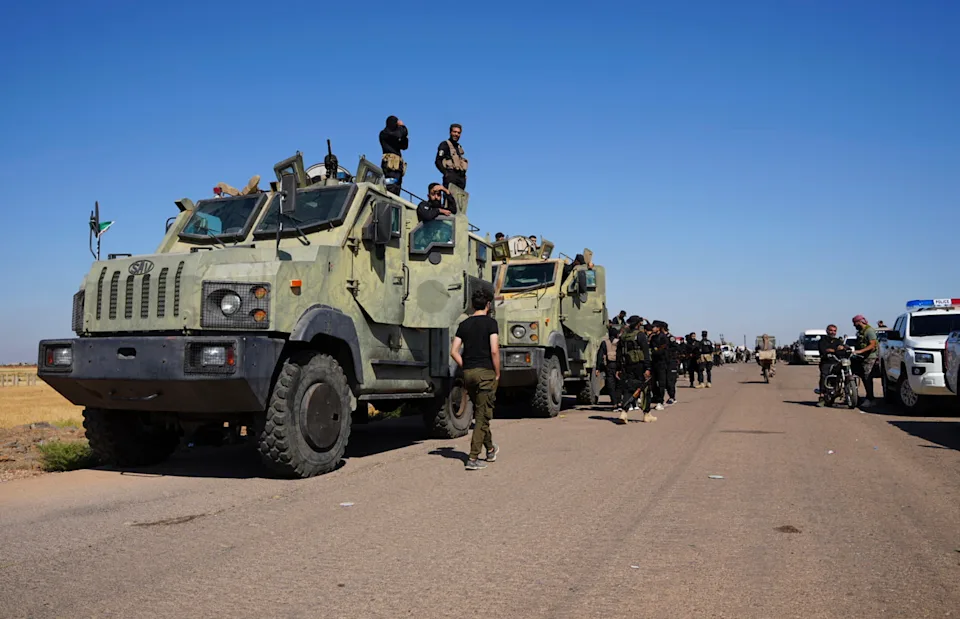
Over half of the world’s Druze population — estimated at around one million — reside in Syria, predominantly in Sweida and southern Damascus. The rest are mainly located in Lebanon and Israel, including the Israeli-annexed Golan Heights.
A spiritual leader of the Druze community, Sheikh Hikmat Al-Hijri, has condemned the new authorities in Damascus. In a statement released Monday, his group appealed for international protection, accusing the government of backing extremist Sunni factions under the cover of the General Security agency.
The Syrian Foreign Ministry has responded by calling on the international community to respect the sovereignty of the Syrian Arab Republic. It urged all parties within the country to surrender illegal arms, cease hostilities, and reject efforts to incite sectarian division.
A Deepening Crisis Beneath the Surface
Though sectarian labels often dominate narratives of the Syrian conflict, analysts suggest the latest tensions stem more from power vacuums and lawlessness than religious identity. “It’s like peeling an onion,” said one observer. “Each layer reveals a different driver of the conflict — tribal rivalries, collapsed governance, and unmet local grievances.”
The Druze, an esoteric sect with roots in 10th-century Ismaili Islam, have long maintained autonomy in their strongholds and formed self-defense militias during Syria’s prolonged civil strife. In previous years, they’ve come under attack from extremist groups, including the Islamic State, pushing them into a defensive posture while also distancing themselves from both the government and foreign actors.
Israel, meanwhile, has escalated air operations in southern Syria over recent months. Citing concerns over extremist elements along its borders, Israeli forces have carried out hundreds of airstrikes targeting Syrian and Iranian-affiliated military sites, especially near the U.N.-patrolled buffer zone bordering the Golan Heights.
As Syria remains mired in conflict with a fractured leadership and foreign interventions shaping its trajectory, the Sweida clashes mark yet another flashpoint in a nation where peace remains elusive, and geopolitical rivalries continue to fuel internal divisions.