
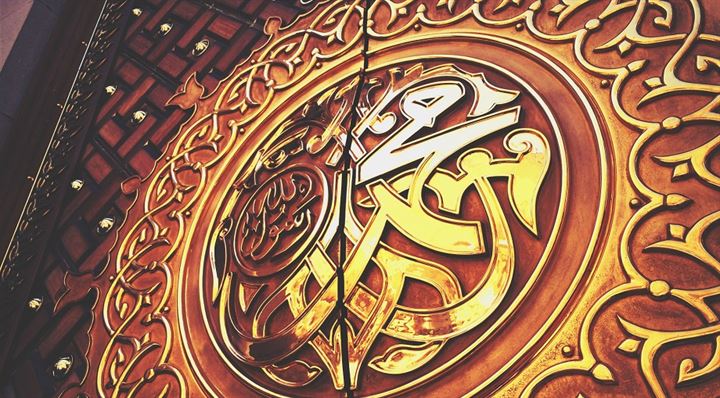

Maulidu’n Nabiyy, commonly known as Mawlid al-Nabi, is a celebration commemorating the birth of Prophet Muhammad (PBUH), the final messenger of Islam. This auspicious occasion offers an opportunity to reflect on the life, virtues, and values of the Prophet, whose teachings continue to illuminate the hearts and minds of millions. In this blog post, we will delve into the significance of Maulidu’n Nabiyy, explore the exemplary character of Prophet Muhammad, and highlight the timeless values he embodied.
The Historical Context of Maulidu’n Nabiyy
Maulidu’n Nabiyy marks the birth of Prophet Muhammad (PBUH) on the 12th day of Rabi’ al-Awwal in the Islamic calendar. Born in the city of Mecca in the Year of the Elephant (570 CE), the Prophet’s arrival was foretold in earlier scriptures and awaited by those familiar with the Abrahamic traditions. His birth is not merely a historical event but a moment of divine mercy, signifying the arrival of the ultimate guide for humanity.
The celebration of Maulidu’n Nabiyy has evolved over centuries, with various cultural and religious practices honoring the Prophet’s life and message. From recitations of poetry and singing of praises (nasheeds) to educational gatherings and charitable activities, the day serves as a reminder of the profound impact of the Prophet’s teachings.
The Virtues of Prophet Muhammad (PBUH)
1. Compassion and Mercy
Prophet Muhammad (PBUH) was the epitome of compassion and mercy, qualities that earned him the title of “Rahmat al-lil Alamin” (Mercy to the Worlds). His kindness extended to all—Muslims and non-Muslims, humans and animals. He showed mercy to the weak and oppressed and forgave those who wronged him. The Prophet’s treatment of his enemies, such as his generous conduct toward the people of Mecca after its conquest, exemplifies his unparalleled mercy.
2. Honesty and Integrity
Known as “Al-Amin” (The Trustworthy) and “As-Sadiq” (The Truthful), the Prophet’s honesty was beyond reproach. Even before his prophethood, his integrity was recognized by the people of Mecca, who entrusted him with their valuables. His truthfulness and adherence to justice were evident throughout his life, whether in personal dealings or in his role as a leader.
3. Patience and Perseverance
The Prophet faced immense hardships, from persecution by the Quraysh tribe to the loss of his loved ones. Despite these trials, he remained steadfast in his faith and mission. His patience during the Meccan boycott, the torture of his companions, and the years of opposition demonstrate his resilience and trust in Allah’s plan.
4. Humility and Modesty
Despite his elevated status as a prophet, Muhammad (PBUH) led a life of simplicity and humility. He performed household chores, mended his own clothes, and lived modestly. The Prophet never sought luxury or power, embodying the Qur’anic principle of humility.
5. Generosity and Charity
Prophet Muhammad (PBUH) was known for his generosity, often giving away his possessions to those in need. He emphasized the importance of charity and caring for the less fortunate, stating that “the best charity is that given in secret.” His life was a testament to the belief that true wealth lies in giving.
6. Forgiveness and Forbearance
One of the most striking aspects of the Prophet’s character was his ability to forgive. He pardoned those who had harmed him and his followers, setting a powerful example of forgiveness. His treatment of Wahshi, the man who killed his uncle Hamza, and Hind, who mutilated Hamza’s body, showcases his magnanimity.
The Values of Prophet Muhammad (PBUH)
1. Justice and Fairness
The Prophet’s commitment to justice was unwavering. He ensured fair treatment for all, regardless of status, and implemented laws that protected the rights of women, children, and minorities. His Farewell Sermon underscored the principles of equality and justice, highlighting that no Arab is superior to a non-Arab, and no white person is superior to a black person, except in piety and good actions.
2. Social Equity and Inclusion
Prophet Muhammad (PBUH) worked to uplift the marginalized and promote social equity. He advocated for the rights of women, condemned slavery, and encouraged the humane treatment of animals. His teachings on racial equality and brotherhood transcended tribal divisions, fostering a sense of unity among his followers.
3. Knowledge and Education
The Prophet emphasized the importance of knowledge, stating that “seeking knowledge is an obligation upon every Muslim.” He encouraged both men and women to pursue learning and made education accessible. His sayings (Hadith) and practices (Sunnah) became a source of guidance, promoting the pursuit of knowledge and intellectual growth.
4. Peace and Diplomacy
Despite the conflicts of his time, the Prophet preferred peaceful resolutions and diplomacy. He established treaties with various tribes and faith communities, including the Treaty of Hudaybiyyah, which set a precedent for peaceful coexistence. His emphasis on peacemaking and conflict resolution remains relevant in today’s world.
5. Spirituality and Worship
The Prophet’s life was characterized by deep spirituality and devotion to Allah. His regular prayers, fasting, and night vigils reflected his dedication to worship. He taught his followers to maintain a strong spiritual connection with Allah, emphasizing sincerity in worship and the importance of remembrance (dhikr).
6. Respect for Nature
Prophet Muhammad (PBUH) showed a profound respect for nature and all living beings. He discouraged wastefulness, promoted sustainable living, and taught kindness toward animals. His environmental teachings resonate with contemporary concerns for ecological preservation and responsible stewardship.
The Significance of Maulidu’n Nabiyy in Contemporary Times
In today’s world, the celebration of Maulidu’n Nabiyy serves as a reminder of the universal values and virtues embodied by Prophet Muhammad (PBUH). His life offers lessons on compassion, justice, humility, and resilience. As we commemorate his birth, we are encouraged to emulate his character and apply his teachings in our daily lives.
The Prophet’s message transcends time and culture, offering guidance for personal conduct and social interactions. By reflecting on his life and legacy, we can find inspiration to address the challenges of our era, promote peace, and foster a more compassionate and just society.
Conclusion
Maulidu’n Nabiyy is not just a celebration of the Prophet’s birth but a tribute to his exemplary life and enduring legacy. Prophet Muhammad (PBUH) stands as a beacon of light, guiding humanity toward a path of righteousness and compassion. As we honor his memory, let us strive to embody his virtues and uphold the values he cherished, ensuring that his teachings continue to illuminate our hearts and lives.

