



In the life of a practicing Muslim, Salah (prayer) holds a paramount place. It’s not merely a ritual but a direct link between the believer and Allah. The significance of Salah is underscored in numerous verses of the Qur’an and hadiths. Yet, in the hustle and bustle of modern life, many Muslims find themselves neglecting this vital pillar of Islam.
This negligence, however, comes with its own set of spiritual, psychological, and social consequences. In this blog post, we will explore the serious repercussions of neglecting Salah and discuss practical solutions to ensure that this essential act of worship remains an integral part of our daily lives.
Understanding Salah
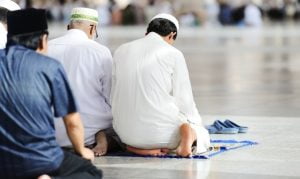
Before delving into the consequences, it’s crucial to understand what Salah represents. Salah is one of the Five Pillars of Islam, obligatory for every Muslim. It is performed five times a day at prescribed times, serving as a reminder of the presence of Allah and an opportunity to seek His guidance and forgiveness. Salah is not just a physical act but a comprehensive form of worship that encompasses the heart, mind, and soul.
Spiritual Consequences
- Weakening of Faith: Neglecting Salah leads to a gradual weakening of one’s faith (iman). Salah acts as a constant reminder of our Creator and our duties towards Him. When one stops praying, this connection weakens, leading to a sense of spiritual emptiness and distance from Allah.
- Loss of Guidance: Salah is a source of divine guidance. Through regular prayer, a Muslim seeks Allah’s help in navigating the challenges of life. Missing out on this regular communication can lead to feelings of being lost and directionless, as the spiritual compass is no longer aligned with divine wisdom.
- Increased Sinfulness: Salah helps in keeping the soul disciplined and inclined towards good deeds. The Qur’an says, “Indeed, prayer prohibits immorality and wrongdoing” (29:45). Without the regular discipline of Salah, a person becomes more susceptible to sinful behavior, as the spiritual restraint is weakened.
Psychological Consequences
- Heightened Stress and Anxiety: Salah provides moments of tranquility and reflection. It is a time to disconnect from worldly concerns and reconnect with the divine. Neglecting Salah deprives a person of these peaceful intervals, leading to increased stress and anxiety.
- Lack of Inner Peace: The spiritual serenity that comes from regular prayer fosters a sense of inner peace and contentment. Without it, individuals often struggle with feelings of unrest and dissatisfaction, constantly seeking fulfillment in material pursuits that never quite satisfy the soul.
- Diminished Self-Control: Regular Salah instills discipline and self-control. When this practice is abandoned, individuals may find it harder to control impulses and desires, leading to a lack of personal discipline in various aspects of life.
Social Consequences
- Weakened Community Bonds: Salah, especially the congregational prayers, strengthens the bonds within the Muslim community. It fosters a sense of unity and brotherhood. When individuals neglect Salah, they miss out on this communal aspect, leading to a sense of isolation and weakened community ties.
- Erosion of Moral Values: The moral and ethical teachings reinforced through Salah play a significant role in shaping an individual’s character. Neglecting Salah can lead to an erosion of these values, impacting one’s behavior and interactions with others negatively.
- Family Dynamics: In a family setting, regular prayer can be a source of mutual support and bonding. When family members neglect Salah, it can lead to a spiritual disconnect within the family, weakening the family unit’s overall moral and spiritual foundation.
Solutions to Ensure Consistent Salah
- Understanding the Importance: The first step towards consistency in Salah is a deep understanding of its importance. This can be achieved through regular study of the Qur’an and Hadith, attending Islamic lectures, and reading books on the significance of Salah.
- Setting Realistic Goals: For those struggling to maintain regular prayer, setting realistic and achievable goals can be helpful. Start by committing to one prayer at a time and gradually build up to all five daily prayers.
- Creating a Routine: Establishing a daily routine that prioritizes Salah is crucial. Set specific times for prayer and structure your day around these times. Use prayer reminders and alarms if necessary.
- Seeking Support: Join a local mosque or Islamic community group where you can find encouragement and support. Engaging with others who are also striving to maintain their prayers can provide motivation and accountability.
- Reflecting on the benefits: Regularly remind yourself of the benefits of Salah, both in this world and the Hereafter. Reflect on the peace, guidance, and blessings that come with consistent prayer.
- Making Dua (Supplication): Ask Allah for help and guidance in maintaining your prayers. Making sincere dua can be a powerful way to seek divine assistance in overcoming obstacles to regular Salah.
- Fajr Prayer – A Key Starting Point: Many find the Fajr prayer particularly challenging due to its early timing. Focus on establishing this prayer first. Waking up early for Fajr sets a positive tone for the rest of the day and can make it easier to maintain the subsequent prayers.
- Eliminating Distractions: Identify and eliminate distractions that may be causing you to miss Salah. This could include managing your time better, reducing screen time, or avoiding activities that interfere with prayer times.
- Mindfulness in Prayer: Strive to perform Salah with mindfulness and concentration. Understanding the meanings of the words recited and focusing on the act of worship can make Salah a more fulfilling and spiritually enriching experience.
- Using Technology Wisely: Utilize technology such as prayer apps and online reminders to help keep track of prayer times and stay motivated. Many apps offer features like Qibla direction, prayer timings, and inspirational content to keep you engaged.
Conclusion
Neglecting Salah has far-reaching consequences that affect every aspect of a Muslim’s life. From spiritual disconnection to psychological distress and weakened social bonds, the impact is profound. However, by understanding the importance of Salah and implementing practical solutions, it is possible to overcome these challenges and maintain a consistent prayer routine. Salah is not just an obligation but a source of immense peace, guidance, and blessings.
Prioritizing this act of worship can transform one’s life, bringing a sense of purpose, fulfillment, and divine connection. As we strive to uphold this essential pillar of Islam, let us remember the words of the Prophet Muhammad (peace be upon him), who said, “The first matter that the slave will be brought to account for on the Day of Judgment is the prayer. If it is sound, then the rest of his deeds will be sound. And if it is deficient, then the rest of his deeds will be deficient” (Sunan Ibn Majah).