
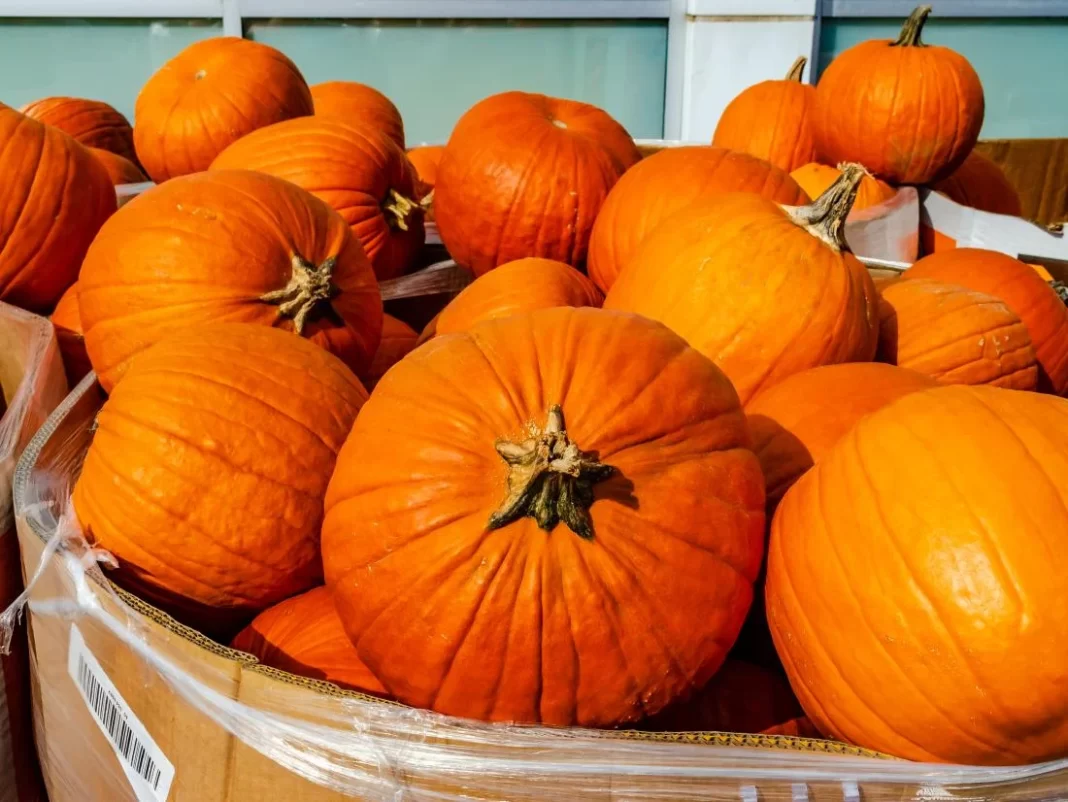


In the Islamic tradition, every aspect of life is intertwined with spirituality and mindfulness, including the choices we make when it comes to food. One such versatile and nutritionally rich food item that holds a special place in Islamic culture is the pumpkin.
This humble vegetable, known for its vibrant orange hue and earthy flavor, offers a myriad of health benefits, making it a valuable addition to the Islamic dietary repertoire. In this comprehensive article, we will delve into the health benefits of pumpkin in Islam, exploring its nutritional profile, historical significance, and the wisdom behind its consumption.
The Nutritional Treasure Trove of Pumpkin
Before we dive into the specific health benefits of pumpkin in the context of Islam, it’s crucial to understand its nutritional composition. Pumpkin, scientifically known as Cucurbita pepo, is a low-calorie vegetable that packs a punch in terms of vitamins, minerals, and antioxidants.
The Quran encourages the nourishment of the body to facilitate acts of worship. In Surah Al-Baqarah (Chapter 2), verse 197, it is mentioned: “And take provisions, but indeed, the best provision is Taqwa (piety).
This verse can be used to support the idea of consuming foods like pumpkin for sustenance during fasting, as it aligns with the concept of maintaining piety during Ramadan.
Rich in Vitamins: Pumpkin is an excellent source of essential vitamins such as vitamin A, vitamin C, and vitamin E. Vitamin A, in particular, plays a pivotal role in maintaining healthy vision, a blessing highly valued in Islamic culture.
Abundant in Dietary Fiber: Islamic teachings emphasize moderation in consumption. Pumpkin’s high fiber content aids in digestion and helps control appetite, encouraging balanced eating habits.
Mineral Wealth: Potassium, magnesium, and iron are essential minerals found in pumpkin. These minerals contribute to maintaining heart health, regulating blood pressure, and preventing anemia.
Antioxidant Properties: Pumpkin contains powerful antioxidants like beta-carotene and various phytochemicals, which protect the body against oxidative stress and inflammation.
The Historical Significance of Pumpkin in Islamic Culture
In Islamic history, the pumpkin has held a special place for several reasons:
Diverse Culinary Uses: Pumpkin is an incredibly versatile ingredient in Islamic cuisine. It is used in a variety of dishes, from savory stews like ‘harira’ to sweet desserts like ‘halwa.’ Its adaptability in the kitchen has made it a staple in many Muslim-majority regions.
Fasting Traditions: Pumpkin’s high fiber content and nutritional richness have made it a popular choice during fasting periods, such as Ramadan. The slow-release energy from pumpkin sustains individuals throughout long days of fasting.
Charitable Acts: In Islamic culture, giving to those in need is highly encouraged. Pumpkin’s affordability and long shelf life have made it a common donation to food banks and charities, reflecting the Islamic principle of caring for the less fortunate.
Health Benefits of Pumpkin in Islamic Context
Now, let’s explore the specific health benefits of pumpkin within the framework of Islamic teachings:
The Prophet Muhammad (peace be upon him) emphasized the importance of moderation in eating. It is reported in Sahih Al-Bukhari that the Prophet said: “The son of Adam does not fill any vessel worse than his stomach. It is sufficient for the son of Adam to eat a few mouthfuls to keep him going. But if he must (fill it), then one third of food, one third for drink, and one third for air.”
This Hadith used to emphasize the Islamic principle of mindful eating, which is supported by the high fiber content of pumpkin.
Nutrition During Ramadan: During the holy month of Ramadan, Muslims fast from dawn till sunset. Pumpkin, with its combination of vitamins, minerals, and dietary fiber, is an ideal food for suhoor (the pre-dawn meal) as it provides sustained energy throughout the day. This aligns with the Islamic principle of nourishing the body for acts of worship and devotion.
Eye Health: The abundance of vitamin A in pumpkin is particularly significant. In Islamic tradition, maintaining good vision is highly valued, as it allows individuals to read and recite the Quran with clarity. Vitamin A-rich foods like pumpkin support eye health and align with this spiritual priority.
Digestive Health: Islamic teachings emphasize the importance of moderation and mindful eating. Pumpkin’s fiber content promotes digestive health, preventing overeating and aiding in the digestion process, in line with Islamic dietary guidelines.
Charitable Giving: Pumpkin’s availability and affordability make it an excellent choice for individuals and communities looking to fulfill their religious duty of giving to those in need. Donating pumpkin-based dishes to the less fortunate is a way to exemplify Islamic values of charity and empathy.
Recipes and Recommendations
To fully embrace the health benefits of pumpkin in an Islamic context, consider incorporating it into your diet through these traditional recipes:
Pumpkin Soup: A hearty and nutritious soup that can be served for iftar (the meal to break the fast) during Ramadan.
Pumpkin Desserts: Explore various pumpkin-based desserts such as pumpkin pie, pumpkin kheer, or pumpkin halwa, all perfect for satisfying sweet cravings while nourishing the body.
Pumpkin Stews: Incorporate pumpkin into savory dishes like Moroccan tagine or Arabic pumpkin stew, blending the rich flavors of spices and herbs.
Charitable Acts: Extend the blessings of pumpkin by donating dishes made from it to local charities or organizing food drives within your community.
The Prophet Muhammad (peace be upon him) emphasized the importance of maintaining good health. In Sahih Al-Bukhari, it is narrated that the Prophet said: “Make use of medical treatment, for Allah has not made a disease without appointing a remedy for it, with the exception of one disease, namely old age.
This Hadith underscores the significance of consuming nutritious foods like pumpkin to support overall health, aligning with Islamic teachings.
Conclusion
Pumpkin is not just a nutritious vegetable; it is a symbol of the intertwining of health and spirituality in Islamic culture. Its rich history, diverse culinary applications, and numerous health benefits make it a valuable addition to the Islamic dietary landscape. By incorporating pumpkin into your diet and sharing its blessings with others, you can uphold the principles of moderation, charity, and well-being that are central to Islamic teachings. Embrace the bountiful blessings of pumpkin and savor its spiritual and physical rewards.