
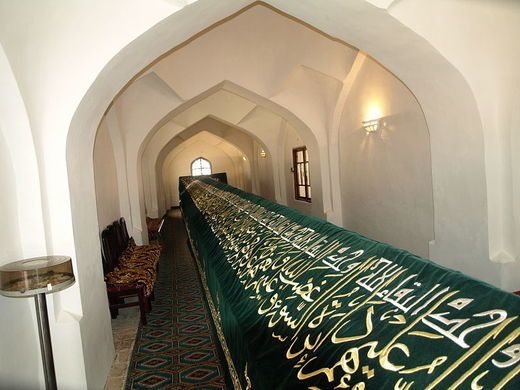


In the heart of ancient lands, where the whispers of history echo through the winds and the sands bear witness to the passage of countless civilizations, lies a sacred site that has captivated the minds and hearts of many: the Tomb of Prophet Danyal (عليه السلام). This revered site, steeped in spiritual significance and historical intrigue, draws pilgrims, historians, and curious travelers alike. The story of Prophet Danyal (عليه السلام), known in the Christian tradition as Daniel, is one that traverses religious boundaries, resonating deeply within the annals of Judaism, Christianity, and Islam.
The Life and Legacy of Prophet Danyal (عليه السلام)
Prophet Danyal (عليه السلام) is a figure of immense reverence, known for his unwavering faith, wisdom, and prophetic visions. His life, as chronicled in various religious texts, provides a compelling narrative of devotion, divine insight, and moral fortitude. Born in the early 7th century BCE, Danyal (عليه السلام) was a young nobleman of the Kingdom of Judah who was taken captive by the Babylonian forces under King Nebuchadnezzar II. Despite his captivity, Danyal (عليه السلام) rose to prominence within the Babylonian court due to his ability to interpret dreams and his profound prophetic gifts.
The Prophetic Visions
Danyal (عليه السلام) is perhaps most renowned for his prophetic visions, which are detailed in the Book of Daniel in the Hebrew Bible. These visions, ranging from the mysterious writing on the wall to the prophetic dreams of kings, showcased his divine connection and deep spiritual insight. His interpretations not only influenced the course of events during his time but also laid the groundwork for eschatological themes in Abrahamic religions.
The Journey of His Tomb
The final resting place of Prophet Danyal (عليه السلام) is a matter of great historical and religious significance. Various traditions claim different locations for his tomb, each with its own unique narrative and cultural context. Among the most prominent sites are Susa in Iran, Kirkuk in Iraq, and Samarkand in Uzbekistan. Each location provides a glimpse into the historical tapestry of the region and reflects the deep-rooted reverence for the prophet.
Susa, Iran
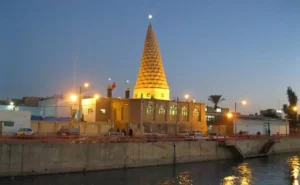
Susa, one of the oldest cities in the world, is home to a site that many believe to be the tomb of Prophet Danyal (عليه السلام). Situated near the ancient palace of the Persian king Darius, the tomb is a testament to the city’s rich historical and spiritual heritage. The tomb is marked by a distinctive white conical dome, a feature that has become a symbol of the site. The serene ambiance of the tomb, coupled with the ancient ruins of Susa, offers visitors a profound sense of connection to the past.
Kirkuk, Iraq
Kirkuk, a city with a complex and tumultuous history, also lays claim to the tomb of Prophet Danyal (عليه السلام). The site is located near the ruins of ancient Kirkuk and has been a focal point of pilgrimage for centuries. The tomb here is housed within a mosque, reflecting the Islamic reverence for the prophet. Despite the region’s political instability, the tomb continues to be a place of solace and spiritual reflection for many.
Samarkand, Uzbekistan
In the heart of Central Asia, Samarkand stands as a beacon of cultural and historical confluence. The tomb of Prophet Danyal (عليه السلام) in Samarkand is part of a larger mausoleum complex that attracts pilgrims and tourists alike. The site is known for its beautiful architecture and the ancient plane tree that stands nearby, believed to be over 500 years old. The tomb’s location in this historic Silk Road city highlights the widespread veneration of Danyal (عليه السلام) across different cultures and regions.
Religious Significance and Cultural Heritage
The Tomb of Prophet Danyal (عليه السلام) transcends mere historical interest; it is a place of profound spiritual significance. For Jews, Christians, and Muslims, the site represents a tangible connection to their religious heritage and the shared narratives that bind them together. The story of Danyal (عليه السلام) is one of resilience, faith, and divine guidance, themes that resonate deeply within these religious traditions.
Jewish Tradition
In Jewish tradition, Prophet Danyal (عليه السلام) is revered as a righteous man and a prophet who remained steadfast in his faith despite immense challenges. His visions and prophecies are considered foundational texts, offering insights into the nature of divine justice and the ultimate triumph of good over evil.
Christian Tradition
For Christians, Daniel is celebrated as a prophet whose life and visions prefigure the coming of Christ. The Book of Daniel is part of the Christian Old Testament, and its themes of faith, redemption, and divine intervention hold significant theological importance.
Islamic Tradition
In Islam, Prophet Danyal (عليه السلام) is recognized as a prophet who upheld monotheism and conveyed God’s messages to his people. His wisdom and ability to interpret dreams are seen as signs of his prophethood, and his story is often cited as an example of steadfast faith and divine favor.
Architectural Splendor and Preservation Efforts
The tombs attributed to Prophet Danyal (عليه السلام) are not only spiritual landmarks but also architectural marvels that reflect the artistic and cultural heritage of their respective regions. Preservation efforts for these sites are crucial in maintaining their historical integrity and ensuring that future generations can continue to experience their beauty and significance.
Architectural Features
The architectural styles of the tombs vary, reflecting the diverse cultural influences of their locations. The conical dome of the tomb in Susa, the mosque encompassing the tomb in Kirkuk, and the ornate mausoleum in Samarkand each tell a unique story through their design. These structures often incorporate elements of Islamic, Persian, and Central Asian architecture, creating a visual representation of the historical and cultural intersections of the regions.
Preservation Challenges
Preserving these ancient sites poses significant challenges, including environmental factors, political instability, and the need for ongoing maintenance. Efforts by local governments, international organizations, and religious communities are essential in safeguarding these treasures. Restoration projects, archaeological studies, and community engagement initiatives play a vital role in ensuring the longevity of these sacred sites.
Pilgrimage and Tourism: Bridging the Past and Present
The Tomb of Prophet Danyal (عليه السلام) continues to be a destination for pilgrims and tourists, each drawn by the site’s spiritual and historical allure. Pilgrimage to these tombs is an act of devotion and a means of seeking blessings, while tourists are often captivated by the rich history and architectural beauty.
Pilgrimage Practices
Pilgrims visiting the tombs engage in various religious practices, including prayers, recitations of scripture, and rituals seeking intercession. These practices are a reflection of the deep spiritual connection that believers feel with Prophet Danyal (عليه السلام) and his legacy.
Tourism and Cultural Exchange
Tourism to these sites fosters cultural exchange and understanding, as visitors from diverse backgrounds come to appreciate the historical and spiritual significance of the tombs. Guided tours, educational programs, and cultural events help to bridge the gap between the past and present, offering a holistic experience of the site’s heritage.
Conclusion: A Legacy of Faith and Resilience
The Tomb of Prophet Danyal (عليه السلام) stands as a testament to the enduring legacy of a prophet whose life and teachings continue to inspire millions across the world. These sacred sites, each with their unique historical and cultural context, offer a window into the rich tapestry of human history and spirituality. As we delve into the mystique of Prophet Danyal (عليه السلام) and his final resting places, we are reminded of the timeless values of faith, wisdom, and resilience that he embodies. In visiting these tombs, whether in Susa, Kirkuk, or Samarkand, we embark on a journey that transcends time and space, connecting us to a shared heritage that continues to shape our present and future.