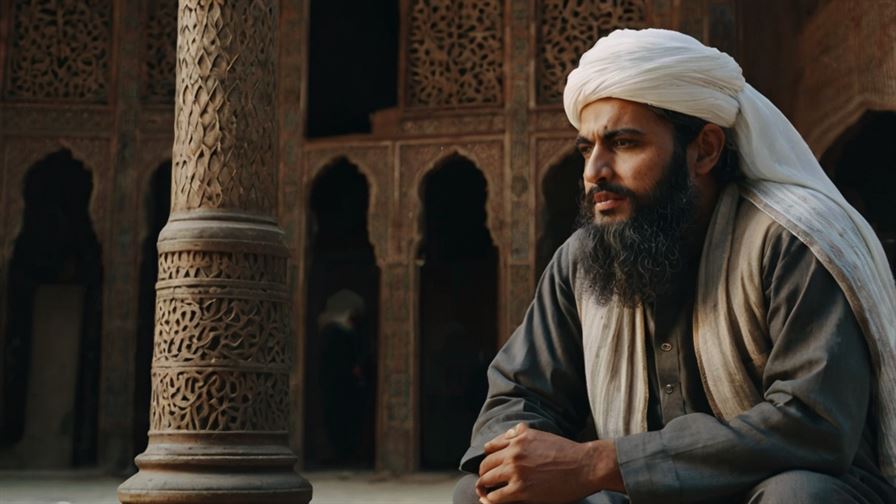
Making dua (supplication) is one of the most profound acts of worship in Islam. It is a direct conversation with Allah, where the believer humbly asks, praises, and seeks guidance. Unlike formal prayers (Salah), dua can be made at any time, in any language, and in any place. It is the key to building a closer relationship with Allah and experiencing His mercy.
In this comprehensive guide, we will explore:
-
What dua really means
-
The importance of dua in a Muslim’s life
-
Step-by-step instructions on how to make dua
-
The etiquettes and manners of dua
-
The best times and places for supplication
-
Common mistakes to avoid
-
Examples of powerful duas from the Qur’an and Sunnah
By the end of this guide, you’ll have a complete understanding of how to make dua effectively and sincerely.
What is Dua?
The Arabic word dua (دعاء) literally means “to call out” or “to invoke.” In Islam, dua refers to the act of calling upon Allah for help, guidance, forgiveness, or blessings. It is not limited to asking for material things; rather, dua encompasses every need—worldly and spiritual.
Allah says in the Qur’an:
“And your Lord says, ‘Call upon Me; I will respond to you.’”
(Surah Ghafir 40:60)
This verse alone shows the immense significance of dua. It is both an act of worship and a means of seeking Allah’s assistance.
READ MORE: The Transformative Benefits of Prayer (Salah) in Islam: A Complete Guide
Importance of Dua in Islam
1. Dua as Worship
The Prophet Muhammad (ﷺ) said:
“Dua is worship.”
(Tirmidhi, Ibn Majah)
This hadith highlights that making dua is not just about requests—it is itself a form of devotion.
2. Strengthens Relationship With Allah
When you make dua, you acknowledge your dependence on Allah. This humility strengthens faith (iman) and brings peace to the heart.
3. Dua as Protection
The Prophet (ﷺ) often made dua for protection from harm, evil, and trials. It acts as a shield for believers.
4. Dua Brings Hope
Even in the darkest times, dua keeps a Muslim hopeful, knowing that Allah is always listening.
Step-by-Step: How To Make Dua
Making dua doesn’t require complicated rituals, but following certain steps makes it more powerful and accepted.

Step 1: Begin With Praise and Gratitude
Start by praising Allah (Alhamdulillah, SubhanAllah, Allahu Akbar) and sending blessings upon the Prophet Muhammad (ﷺ).
Example:
“Alhamdulillahi Rabbil ‘Alamin, was-salatu was-salam ‘ala Rasulillah.”
Step 2: Face the Qiblah (Optional but Recommended)
Though not obligatory, facing the Ka‘bah in Makkah shows respect and focus.
Step 3: Raise Your Hands
The Prophet (ﷺ) would raise his hands while making dua, symbolizing humility and submission.
Step 4: Be Sincere and Humble
Speak from the heart. Dua is a private conversation with Allah, so sincerity matters most.
Step 5: Ask With Certainty
Never doubt whether Allah will answer. The Prophet (ﷺ) said:
“Call upon Allah with certainty that He will answer.”
(Musnad Ahmad)
Step 6: Make Dua for Yourself and Others
Begin with your own needs, then pray for your parents, family, the Ummah, and humanity at large.
Step 7: End With Praise
Close your dua with gratitude and blessings on the Prophet (ﷺ).
The Etiquettes of Dua
Islam emphasizes certain manners (adab) while making dua. These increase the chances of acceptance:
-
Sincerity (Ikhlas): Call upon Allah alone, without associating partners.
-
Consistency: Make dua regularly, not only in times of hardship.
-
Patience: Do not rush for results. Dua is answered in Allah’s perfect timing.
-
Lowering Your Voice: Make dua softly and humbly.
-
Persistence: Repeat your dua and continue asking.
-
Begin With Good Deeds: Acts of charity and obedience make dua more likely to be accepted.
Best Times to Make Dua
There are specific times when duas are more likely to be accepted:
-
During the last third of the night (Tahajjud)
-
Between the Adhan and Iqamah
-
On Fridays (Jumu’ah), especially the last hour before Maghrib
-
While fasting and at the time of breaking fast
-
During rain
-
On the Day of Arafah
-
In prostration (Sujood) during Salah
The Prophet (ﷺ) said:
“The closest a servant is to his Lord is while he is prostrating, so increase in dua.”
(Muslim)
Powerful Duas From the Qur’an and Sunnah
Here are some timeless duas every Muslim should learn and use:
1. Dua for Guidance
“Our Lord! Do not let our hearts deviate after You have guided us and grant us from Yourself mercy. Indeed, You are the Bestower.”
(Surah Al-Imran 3:8)
2. Dua for Forgiveness
“Our Lord! We have wronged ourselves. If You do not forgive us and have mercy upon us, we will surely be among the losers.”
(Surah Al-A‘raf 7:23)
3. Dua for Parents
“My Lord, have mercy upon them as they brought me up when I was small.”
(Surah Al-Isra 17:24)
4. Dua for Protection From Hellfire
“Our Lord! Avert from us the punishment of Hell. Indeed, its punishment is ever adhering.”
(Surah Al-Furqan 25:65)
5. Dua Taught by the Prophet (ﷺ)
“O Allah, I ask You for guidance, piety, chastity, and self-sufficiency.”
(Muslim)
Common Mistakes to Avoid in Dua
-
Lack of Sincerity: Treating dua as a ritual instead of heartfelt worship.
-
Hastiness: Expecting immediate results and losing hope.
-
Praying for Haram Things: Dua should never be for sinful or harmful purposes.
-
Neglecting Others: Limiting dua to personal needs without remembering the Ummah.
-
Abandoning Dua After One Answered Prayer: A believer should always continue making dua.
How Allah Answers Dua

Allah answers dua in three ways:
-
Immediate Acceptance – Allah grants what you asked for.
-
Delayed Response – Allah withholds until the right time.
-
Something Better – Allah gives an alternative or protects you from harm.
The Prophet (ﷺ) said:
“No Muslim supplicates to Allah with a dua that has no sin or breaking of family ties except that Allah gives him one of three things: either his dua is answered quickly, or it is stored for him in the Hereafter, or something harmful is averted from him.”
(Musnad Ahmad)
The Power of Consistent Dua
Dua is not about occasional asking—it is about building a lifelong habit of turning to Allah. Imagine beginning every day with dua, making dua in sujood, and closing the night with dua. This constant connection fills the heart with peace, trust, and strength.
Practical Tips for Developing a Dua Routine
-
Keep a dua journal: Write down your daily duas.
-
Memorize short Qur’anic and prophetic duas.
-
Set aside a special time daily for personal dua.
-
Teach your children how to make dua sincerely.
-
Start small—consistency is more important than length.
Conclusion
Dua is one of the greatest blessings Allah has gifted to humanity. It is your direct line to Him—without barriers, without fees, without limits. To make dua is to recognize your need, humble yourself, and trust Allah’s infinite wisdom.
Whether you are seeking forgiveness, guidance, protection, or worldly blessings, remember that Allah loves those who ask. Never underestimate the power of dua—it can change your life, strengthen your faith, and bring you closer to your Creator.
“Indeed, Allah is near and responsive.”
(Surah Al-Baqarah 2:186)