
Controversy Surrounding the Resurgence of The Satanic Verses in India
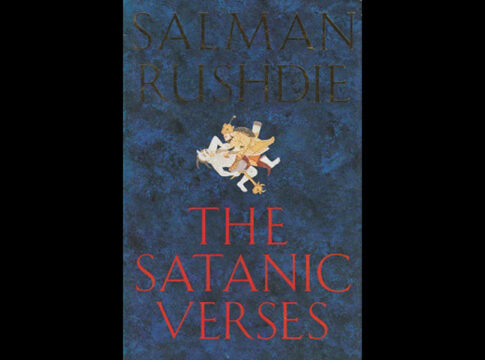
The Indian Muslims for Secular Democracy (IMSD) has voiced its opposition to calls from certain Muslim organizations to re-ban Salman Rushdie’s The Satanic Verses. The controversial book, originally banned in 1988 by the Rajiv Gandhi government, has recently reappeared on Indian bookshelves, sparking fresh debate.
IMSD issued a statement urging Muslims to draw inspiration from Sir Syed Ahmad Khan, a revered social reformer, advocating the principle of “fighting words with words” rather than supporting censorship or book burnings.
Historical Context and Renewed Availability
After 36 years, The Satanic Verses is now available for purchase in India, priced at Rs 1,999 and sold at prominent bookstores such as Bahrisons Booksellers in Delhi-NCR. The book’s reappearance has reignited opposition from various groups, prompting IMSD to defend the importance of intellectual discourse over bans.
IMSD highlighted Sir Syed Ahmad Khan’s stance from over a century ago when he discouraged Muslims from destroying or banning books they disagreed with. “His advice was simple: if a book merits critique, counter it with reasoned arguments. If it’s malicious, ignore it,” the statement said.
Endorsement by Eminent Citizens
The IMSD statement was backed by 42 notable individuals, including civil rights activist Teesta Setalvad, poet-scientist Gauhar Raza, theatre director Feroz Abbas Khan, and documentary filmmaker Shama Zaidi.
READ MORE: Islamic Emirate’s Statement on the 45th Anniversary of the Soviet Invasion of Afghanistan
IMSD drew attention to Sir Syed Ahmad Khan’s approach to countering English writer William Muir’s controversial work in 1861, which criticized Prophet Muhammad (PBUH). Rather than reacting emotionally, Sir Syed conducted extensive research, publishing a thorough critique that discredited Muir’s claims.
The Relevance of Sir Syed’s Teachings Today
According to IMSD, Sir Syed’s philosophy holds even greater significance in today’s socio-political climate, where minorities in India often face hate-driven narratives. The group warned against any reaction to The Satanic Verses that could fuel such divisive agendas or inadvertently promote the book.
The statement emphasized that India’s Constitution guarantees freedom of speech while providing legal recourse against hate speech. However, IMSD cautioned against attempting to silence dissenting voices.
“A fatwa, firman, or any call to harm Salman Rushdie, along with demands for banning his book, amounts to silencing an individual. Such actions undermine the principles of intellectual engagement,” the statement clarified.
The Global Fallout of The Satanic Verses
First published in 1988, The Satanic Verses has been a lightning rod for controversy. Iranian leader Ayatollah Ruhollah Khomeini issued a fatwa calling for Rushdie’s death, leading to years of secrecy and isolation for the author. Tragically, the book’s release was followed by violent incidents, including the murder of its Japanese translator in 1991 and a stabbing attack on Rushdie in 2022 during a public event.
Advocating Constructive Dialogue
IMSD reiterated that Muslims, like all citizens, have the right to express grievances over books, films, or other media. However, the group stressed the importance of constructive responses, urging communities to engage in intellectual and moral defenses rather than suppress opposing views.
By championing these values, IMSD hopes to foster a more inclusive and tolerant society while reinforcing the principles of democracy and free speech enshrined in the Indian Constitution.