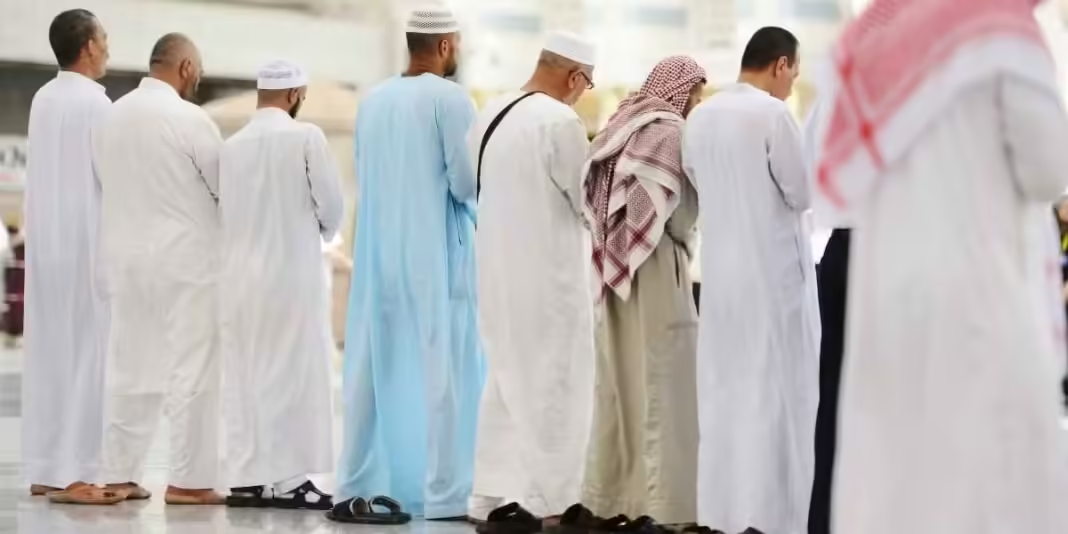

In the rich tapestry of Islamic worship and devotion, certain phrases hold profound significance and carry deep meanings that resonate with believers. One such phrase is “Subhanaka Allahumma wa Bihamdika,” a beautiful expression of praise and glorification of Allah. This blog post delves into the origins, meaning, and benefits of this powerful phrase, exploring how it can enrich our spiritual lives and strengthen our connection with the Creator.
سُبْحَانَكَ اللَّهُمَّ وَبِحَمْدِكَ وَتَبَارَكَ اسْمُكَ وَتَعَالَى جَدُّكَ وَلاَ إِلَهَ غَيْرُكَ
Transliteration to help with pronunciation:
Subhanaka Allahumma wa bihamdika wa tabarakasmuka, wa ta’ala jadduka wa la ilaha ghairuk
The Meaning of “Subhanaka Allahumma wa Bihamdika”
The phrase “Subhanaka Allahumma wa Bihamdika” can be translated as “Glory is to You, O Allah, and praise is to You.” Let’s break down the components to understand its profound significance:
- Subhanaka (سُبْحَانَكَ): This part of the phrase means “Glory is to You.” It signifies the perfection and transcendence of Allah, highlighting that He is free from any imperfections, deficiencies, or associations. It is a declaration of Allah’s absolute purity and greatness.
- Allahumma (اللَّهُمَّ): This is an emphatic form of addressing Allah, often translated as “O Allah.” It emphasizes the direct and personal appeal to the Almighty, invoking His presence and attention.
- wa Bihamdika (وَبِحَمْدِكَ): This means “and praise is to You.” It is an acknowledgment of Allah’s countless blessings and favors, expressing gratitude and appreciation for His endless mercy and grace.
SUBHANAKA ALLAHUMMA WA BIHAMDIKA WA TABARAKASMUKA MEANING:
“Glorious You are O Allah, and with Your praise, and blessed is Your Name, and exalted is Your majesty, and none has the right to be worshipped but You.”
Origins and Context
The phrase “Subhanaka Allahumma wa Bihamdika” is often recited during various acts of worship, including:
- Dhikr (Remembrance of Allah): It is a common phrase used in daily remembrance and supplication, allowing believers to constantly remind themselves of Allah’s greatness and mercy.
- Salah (Prayer): This phrase is recited in the opening supplication (Dua al-Istiftah) of Salah, especially in the Sunnah and Nafl prayers. It sets the tone for a prayerful state of mind, focusing on Allah’s perfection and glory.
سُبْحَانَكَ اللَّهُمَّ وَبِحَمْدِكَ وَتَبَارَكَ اسْمُكَ وَتَعَالَى جَدُّكَ وَلاَ إِلَهَ غَيْرُكَ
Transliteration to help with pronunciation:
Subhanaka Allahumma wa bihamdika wa tabarakasmuka, wa ta’ala jadduka wa la ilaha ghairuk
3. Concluding Supplications: It is also recited in various concluding supplications and Tasbihat, reinforcing the themes of praise and glorification of Allah.
Spiritual Benefits and Virtues
Reciting “Subhanaka Allahumma wa Bihamdika” carries numerous spiritual benefits and virtues:
1. Purification of the Soul
Regular recitation helps purify the soul by constantly reminding believers of Allah’s perfection and their own need for humility and repentance. It fosters a sense of spiritual cleanliness and detachment from worldly distractions.
2. Strengthening Faith
This phrase reinforces the belief in Allah’s absolute greatness and mercy, deepening the faith of believers. It encourages reliance on Allah and trust in His wisdom and plan for their lives.
3. Expression of Gratitude
By acknowledging Allah’s countless blessings, reciting this phrase cultivates a habit of gratitude. It encourages believers to focus on the positive aspects of their lives and to be thankful for Allah’s continuous support and guidance.
4. Enhancing Focus in Worship
Incorporating this phrase into daily prayers and supplications helps enhance focus and mindfulness in worship. It sets a reverent tone and reminds believers of the purpose and significance of their acts of devotion.
Practical Ways to Incorporate “Subhanaka Allahumma wa Bihamdika” in Daily Life
1. Morning and Evening Dhikr
Start and end your day with the recitation of this phrase. It will help you begin your day with a sense of gratitude and end it with a reflection on Allah’s greatness and mercy.
2. During Salah
Include this phrase in your opening supplication during Salah. It will help you establish a prayerful mindset and focus on the spiritual aspects of your worship.
3. After Completing Tasks
Recite this phrase after completing significant tasks or milestones. It serves as a reminder to thank Allah for His assistance and to seek His continued guidance.
4. In Moments of Reflection
Use this phrase during moments of reflection or contemplation. It will help you center your thoughts on Allah’s perfection and the blessings in your life.
Stories and Examples from Islamic History
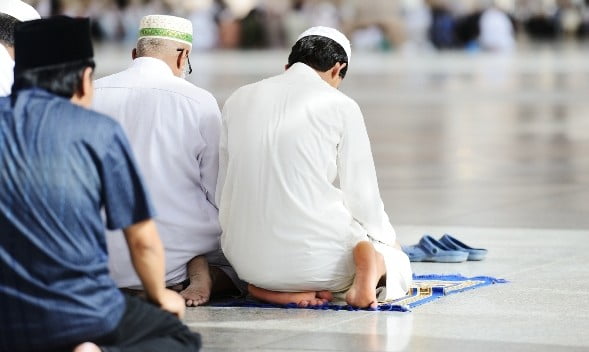
Throughout Islamic history, many pious individuals have exemplified the use of “Subhanaka Allahumma wa Bihamdika” in their lives. Here are a few inspiring stories:
The Prophet Muhammad (PBUH)
The Prophet Muhammad (PBUH) frequently recited this phrase in his prayers and supplications. His practice serves as a model for all believers, illustrating the importance of glorifying and praising Allah regularly.
Sahabah (Companions)
The companions of the Prophet (PBUH) also incorporated this phrase into their daily routines. For instance, Abu Bakr (RA) and Umar (RA) were known for their devotion and frequent recitation of phrases glorifying Allah.
Scientific and Psychological Benefits
Modern science and psychology have begun to explore the benefits of regular spiritual practices, including the recitation of phrases like “Subhanaka Allahumma wa Bihamdika”:
1. Stress Reduction
Reciting this phrase can induce a state of relaxation and reduce stress levels. It encourages mindfulness and shifts focus away from stressful thoughts.
2. Enhanced Emotional Well-being
The act of expressing gratitude and focusing on positive aspects can improve overall emotional well-being. It fosters a sense of contentment and satisfaction.
3. Improved Mental Clarity
Regular spiritual practices, including recitation, can enhance mental clarity and focus. They provide a break from the constant stream of thoughts and help individuals center their minds.
Conclusion
Subhanaka Allahumma wa Bihamdika” is more than just a phrase; it is a powerful tool for spiritual growth and connection with Allah. By understanding its meaning, origins, and benefits, and incorporating it into our daily lives, we can enrich our worship and strengthen our faith. Let this beautiful expression of praise and glorification be a constant reminder of Allah’s greatness and mercy, guiding us towards a more mindful and spiritually fulfilling life.
Call to Action
Start incorporating “Subhanaka Allahumma wa Bihamdika” into your daily routine today. Reflect on its meaning and let it transform your spiritual journey. Share this knowledge with others and encourage them to experience the profound benefits of this beautiful phrase.