
The Taliban’s journey from their fall in 2001 to their unexpected return to power in 2021 is one of the most significant geopolitical shifts in modern history. The rise and fall of the Taliban have been deeply intertwined with Afghanistan’s history, global politics, and the struggle for control in the region. This article delves into the factors leading to their downfall, the reasons behind their resurgence, and the implications of their return to power.
The Fall of the Taliban: 2001
The Taliban, a hardline Islamist group that emerged in the early 1990s in the aftermath of the Soviet withdrawal from Afghanistan, ruled the country from 1996 until their downfall in 2001. Their strict interpretation of Islamic law and harboring of al-Qaeda led to international condemnation.
The tipping point came on September 11, 2001, when al-Qaeda, led by Osama bin Laden, carried out the devastating attacks on the United States. The U.S., alongside its NATO allies, launched Operation Enduring Freedom, targeting the Taliban regime for sheltering bin Laden and his network. By December 2001, the Taliban government had collapsed, its leaders fleeing to remote areas and neighboring Pakistan.
The Insurgency Period (2002–2020)
Though the Taliban were removed from power, they never truly disappeared. Instead, they regrouped and launched an insurgency against the U.S.-backed Afghan government. Several factors contributed to their resilience:
- Safe Havens in Pakistan – Many Taliban fighters found refuge in Pakistan, using it as a base to plan attacks and regroup.
- Weak Afghan Government – Corruption, political infighting, and lack of governance alienated many Afghans, leading some to support the Taliban.
- Rural Support – The Taliban gained favor in rural areas by providing a semblance of law and order in contrast to the instability under the Afghan government.
- Foreign Withdrawal – As U.S. and NATO forces gradually withdrew, the Afghan army struggled to maintain security, providing an opportunity for the Taliban to regain lost ground.
- Religious and Ideological Influence – The Taliban effectively used religious rhetoric to gain support and recruit fighters, particularly in regions with conservative Islamic values.
- Drug Trade and Financing – The Taliban capitalized on Afghanistan’s lucrative opium trade to finance their insurgency, making millions of dollars through drug trafficking and illicit taxation.
The U.S.-Taliban Peace Deal (2020)
In February 2020, after nearly two decades of war, the U.S. and the Taliban signed the Doha Agreement. The deal outlined that the U.S. would withdraw troops in exchange for Taliban commitments to prevent Afghanistan from becoming a haven for terrorist groups. However, the Afghan government was largely sidelined from these talks, weakening its position.
READ MORE: France Grants Official Recognition to Imam Role as a Profession
The key points of the agreement included:
- A phased withdrawal of U.S. and NATO forces within 14 months.
- The Taliban committing to preventing terrorist groups like al-Qaeda from operating in Afghanistan.
- The initiation of intra-Afghan peace talks between the Taliban and the Afghan government, though these talks remained largely ineffective.
- A controversial prisoner exchange that saw the release of thousands of Taliban fighters, further strengthening their ranks.
The Swift Taliban Takeover: August 2021
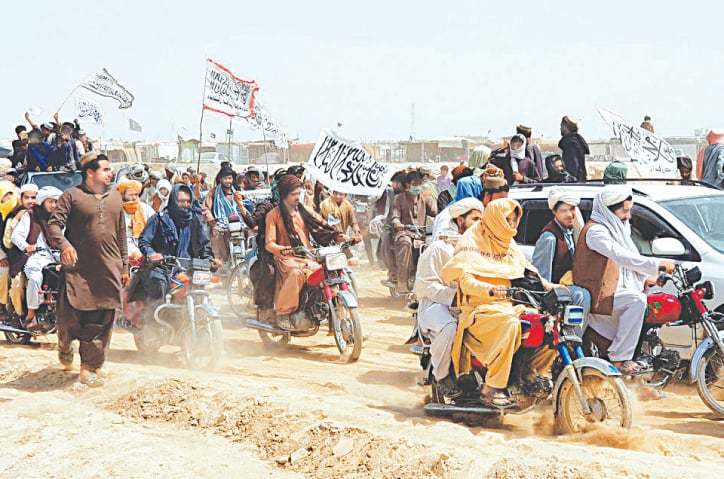
By mid-2021, the Taliban launched an aggressive military offensive, capturing major provinces with minimal resistance. Several key factors contributed to this rapid collapse:
- Demoralized Afghan Forces – Many Afghan soldiers, unpaid and lacking supplies, surrendered without a fight.
- Withdrawal of U.S. Troops – The departure of American forces in August 2021 left a security vacuum.
- Political Disarray – Afghan President Ashraf Ghani fled the country, signaling the fall of the government.
- Negotiated Surrenders – The Taliban made deals with local warlords and commanders, allowing them to take control without significant bloodshed.
- Failure of Western Intelligence – Many analysts underestimated the Taliban’s capacity to take over Afghanistan so quickly.
- Public Discontent with Government – Decades of corruption and inefficiency left many Afghans disillusioned, making the Taliban’s takeover seem like an alternative to chaos.
The Taliban’s Return to Power and Its Implications

The Taliban’s return to Kabul in August 2021 marked a new chapter for Afghanistan. While they promised a more moderate rule compared to their previous regime, concerns remain over their governance, especially regarding women’s rights, freedom of expression, and minority treatment.
Human Rights and Governance
Despite initial promises of inclusivity, the Taliban have imposed strict regulations:
- Women have been restricted from attending secondary and higher education.
- Female employment in most sectors has been banned, except for healthcare.
- Journalists and activists face threats, censorship, and imprisonment.
- Public executions and punishments have been reintroduced.
Economic and Humanitarian Crisis
Afghanistan has faced severe economic turmoil since the Taliban’s takeover. The withdrawal of international aid, which previously funded a large portion of Afghanistan’s economy, has led to:
- A financial collapse with banking restrictions.
- Widespread hunger and food insecurity affecting millions.
- Mass displacement of people seeking asylum in neighboring countries.
International Relations and Recognition
The world remains divided on whether to recognize the Taliban government. Countries like China, Russia, and Pakistan have engaged with them, while Western nations remain cautious, conditioning aid and recognition on human rights commitments. Key diplomatic concerns include:
- The Taliban’s ties with extremist groups.
- The treatment of women and minorities.
- Afghanistan’s potential role in regional instability.
Conclusion
The fall and rise of the Taliban is a case study in resilience, geopolitical maneuvering, and the limits of foreign intervention. The Taliban’s resurgence underscores the complex nature of Afghanistan’s political landscape and the unintended consequences of prolonged military occupation. While their rule has brought relative stability in terms of security, the humanitarian and human rights crises continue to raise global concerns. As Afghanistan navigates this new era, the world watches closely, weighing its response to a group that has defied all expectations by reclaiming power two decades after their initial downfall.
The future of Afghanistan under Taliban rule remains uncertain. Whether they can sustain governance without international support, address humanitarian needs, and avoid becoming a breeding ground for extremism will determine the long-term impact of their return to power.