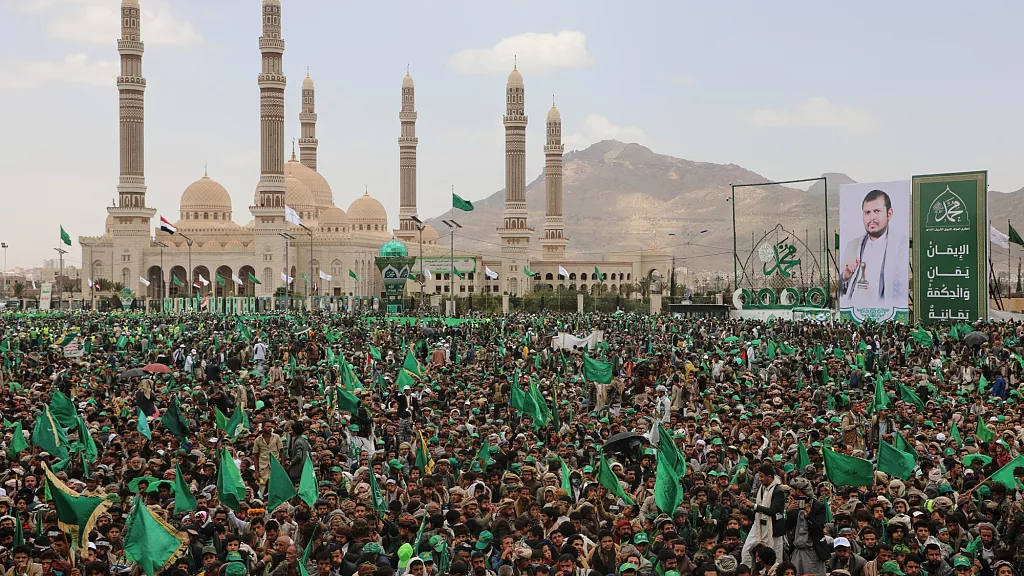

Today, Muslims across Nigeria join the global Muslim community in celebrating Maulud, the commemoration of the birth of Prophet Muhammad (Sallallahu Alaihi Wasallam). The occasion is observed annually on the 12th day of Rabi’ul-Awwal, the third month of the Islamic lunar calendar. Prophet Muhammad (SAW) was born in the year 570 AD, famously remembered in Islamic history as the Year of the Elephant, into the noble family of Abdullahi and Aminah.
Historical Background of Maulud
The celebration of Maulud dates back centuries. Early generations after the Prophet’s companions, known as the Tabi’un, began gatherings where poetry and songs were composed in his honour. In 1207 AD, Muẓaffar al-Dīn Gökburi organized the first large-scale public festival in Erbil, present-day Iraq. Since then, Maulud has spread widely and is now recognized as a national holiday in most Muslim-majority countries. Nations with large Muslim populations such as India also observe the day as a public holiday. In Nigeria, Maulud is a national holiday that unites millions of Muslims in remembrance and reflection.
How Maulud is Celebrated in Nigeria
The celebration is marked by a variety of activities, especially among Sufi communities. These include:
-
Public processions and gatherings
-
Charitable acts, such as giving alms and food
-
Preaching sessions and storytelling about the Prophet’s life
-
Recitation of poetry and eulogies, notably the 13th-century classic Qaṣidatul Burdah by Imam Busiri
-
Voluntary fasting and remembrance of Allah
Through these events, Muslims aim to draw closer to the life and legacy of Prophet Muhammad (SAW).
The Prophet (SAW) as a Role Model
The Qur’an (33:21) reminds us: “Indeed, in the Messenger of Allah you have a beautiful example for those who put their hope in Allah and the Last Day…”
READ MORE: UK Muslims Face Vandalism and Assaults Amid St George Flag Campaign
Prophet Muhammad (SAW) embodied values such as honesty, humility, compassion, tolerance, justice, and kindness. His trustworthiness earned him the title “Al-Ameen” (The Trustworthy). At a time when corruption, greed, injustice, and intolerance plague societies, there is no better moment to reflect on and adopt his noble character.
Lessons for Leaders and Followers

Sadly, in Nigeria today, both leaders and followers often fall short of prophetic guidance. Many leaders neglect public trust, while followers fail to demand accountability, sometimes even encouraging favoritism. Such attitudes run contrary to the example of the Prophet (SAW).
True Maulud celebrations should not stop at recitations and feasting. The real essence lies in living by his teachings—justice, fairness, and compassion—both in private and public life. By embracing these values, Nigeria can overcome many of its pressing social ills.
A Call for Unity and Peace
Religious leaders are urged to focus on messages that unite the Ummah rather than divide it. Hate speech, malice, and bigotry should be replaced with compassion and wisdom. The Prophet (SAW) said: “Let whoever believes in Allah and the Last Day speak good or remain silent.”
The journey to unity begins with our words and actions. A united Ummah is stronger, more resilient, and capable of achieving greater progress.
Final Word
As we mark this year’s Maulud, let us reflect deeply on the life of Prophet Muhammad (SAW) and strive to embody his values in our daily lives. Let it be an opportunity to pray for peace, unity, and prosperity in Nigeria and beyond.
Happy Maulud Celebration!