
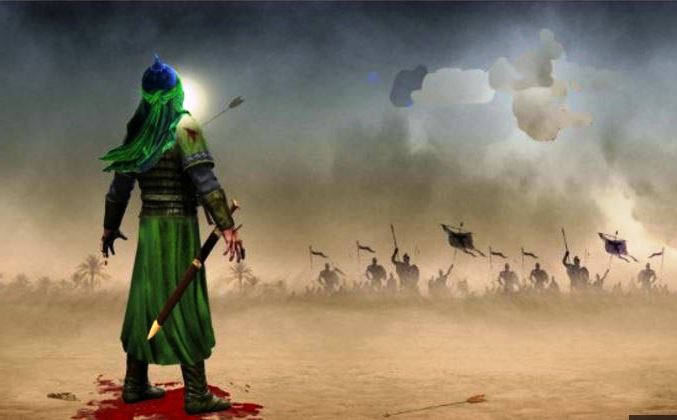

Every religion carries memories of places that shaped its destiny—some celebrated, others mourned. In Islam, there exists one site that has been forever marked as cursed because of the injustice, bloodshed, and betrayal that occurred there. That place is Karbala, a city in present-day Iraq.
It was here, on the 10th of Muharram in the year 680 CE (61 AH), that one of the darkest events in Islamic history unfolded: the massacre of Imam Husayn ibn Ali (RA), the beloved grandson of Prophet Muhammad ﷺ, along with his family and companions.
For Muslims, Karbala is not just a geographical location—it is a symbol of oppression, betrayal, and sacrifice. It is considered one of the most cursed places because it witnessed the brutal killing of the Prophet’s household, despite his clear instructions to love and honor them.
READ MORE: Role of Prophet in Islam: Guidance, Mercy, and Leadership for Humanity
In this article, we dive deep into the story of Karbala, why it is remembered as the most cursed place in Islamic history, and the timeless lessons it offers humanity.
What Does “Cursed” Mean in Islamic Context?
Before diving into the history of Karbala, it is important to understand what being “cursed” means in Islam.
-
Linguistic Meaning: In Arabic, la‘nah means being removed from the mercy of Allah (SWT).
-
Religious Meaning: A cursed act, person, or place is one associated with sin, injustice, and rebellion against divine commands.
When scholars and believers refer to Karbala as “cursed,” they do not curse the land itself, but rather the atrocities committed upon it. The soil of Karbala absorbed the blood of the Prophet’s family, making it forever remembered as a place where truth was betrayed by falsehood.
The Political Context Before Karbala
To understand why Karbala is remembered as the darkest chapter in Islamic history, one must examine the political turmoil that preceded it.
-
The Rule of Yazid ibn Mu‘awiya
-
After the death of Mu‘awiya ibn Abi Sufyan in 680 CE, his son Yazid became caliph.
-
Many Muslims questioned his legitimacy, as Yazid was known for impiety, extravagance, and disregard for Islamic values.
-
-
Refusal of Imam Husayn (RA)
-
Yazid demanded allegiance (bay‘ah) from key figures, including Imam Husayn.
-
Husayn refused, declaring that a corrupt man like Yazid could not lead the Ummah.
-
-
Call from Kufa
-
The people of Kufa (in Iraq) invited Husayn, promising support and protection.
-
Trusting their pledges, Husayn set out with his family and a small group of followers.
-
The Journey to Karbala
Imam Husayn began his journey from Makkah to Kufa, accompanied by less than 100 loyal supporters, including his family members.
-
Along the way, news reached him that Yazid’s governor had betrayed the Kufans.
-
The same people who had invited him withdrew their support under fear and pressure.
-
Despite warnings, Husayn continued, saying he preferred martyrdom over dishonor.
The Tragedy of Karbala: Events of Ashura
When Husayn’s caravan reached Karbala, Yazid’s forces—numbering thousands—surrounded them.

The Siege
-
Husayn and his companions were denied access to water from the Euphrates River.
-
For days, men, women, and children suffered thirst under the scorching desert sun.
The Day of Ashura (10th Muharram, 61 AH)
The climax of the tragedy came on this day:
-
Martyrdom of Husayn’s Companions
-
One by one, his brave companions fought valiantly but were slain.
-
-
Martyrdom of Husayn’s Sons and Family
-
Even children were not spared. His 6-month-old son, Ali Asghar, was killed by an arrow.
-
-
Martyrdom of Imam Husayn (RA)
-
Alone, weak, and wounded, Husayn was finally martyred.
-
His head was severed and sent to Yazid as a “trophy.”
-
Why Karbala is Called the Most Cursed Place
Several reasons explain why Karbala is forever marked with infamy:
-
The Murder of the Prophet’s Family
-
Prophet Muhammad ﷺ said:
“Husayn is from me, and I am from Husayn. Whoever loves Husayn, Allah loves him.” (Tirmidhi) -
Despite this, his family was brutally slaughtered.
-
-
Betrayal and Hypocrisy
-
The people of Kufa invited Husayn but abandoned him at his hour of need.
-
Their betrayal stands as one of the worst acts of hypocrisy in Islamic history.
-
-
Denial of Water
-
Denying women and children water, especially the grandson of the Prophet, is considered an unforgivable atrocity.
-
-
The Symbol of Oppression
-
Karbala became a symbol of how far Muslims had strayed from the teachings of the Prophet only a few decades after his death.
-
Spiritual and Moral Lessons from Karbala
Karbala is not just history—it is a mirror for all times. Among its lessons are:
-
Standing Against Tyranny
-
Husayn teaches us that silence in the face of injustice is betrayal.
-
Even if outnumbered, truth must be defended.
-
-
Sacrifice for Principles
-
Material comfort, life, and power are worthless compared to preserving faith and integrity.
-
-
The Danger of Betrayal
-
The treachery of Kufans warns us against empty promises and cowardice.
-
-
The Role of Women in Preserving Truth
-
Lady Zainab (RA), sister of Husayn, carried the message of Karbala to the world after the massacre, ensuring the story would never be forgotten.
-
Karbala in Islamic Memory
-
For Shia Muslims: Karbala is the centerpiece of faith and identity. Every year, millions commemorate Ashura through mourning and remembrance.
-
For Sunni Muslims: Karbala is a tragic chapter that teaches lessons of justice, sacrifice, and loyalty to the Prophet’s household.
-
For All Humanity: Karbala transcends sectarian boundaries. It is a story of courage, morality, and resistance against tyranny.
Modern Reflections: Why Karbala Still Matters
Even today, Karbala resonates with Muslims and non-Muslims alike.
-
In Justice Movements: Activists often invoke Karbala as a metaphor for standing against oppressive regimes.
-
In Literature and Poetry: Writers across centuries have drawn inspiration from Husayn’s sacrifice.
-
In Daily Life: The message of Karbala reminds us to uphold truth even when it is unpopular or dangerous.
Frequently Asked Questions (FAQ)
Q1: Is Karbala cursed as land?
No. The land itself is not cursed; it is the atrocities committed there that make it infamous. In fact, Karbala is considered sacred because of the blood of martyrs buried in its soil.
Q2: Why did Imam Husayn not compromise with Yazid?
Because Yazid represented corruption, injustice, and un-Islamic leadership. Husayn chose martyrdom to preserve the true message of Islam.
Q3: How is Karbala remembered today?
It is commemorated every year on Ashura with mourning, reflection, and lessons drawn for justice and humanity.
Conclusion
Karbala stands as the most cursed place in Islamic history not because of its soil, but because of the treachery, oppression, and merciless slaughter that occurred upon it. Yet, paradoxically, it is also one of the most sacred places because it became the resting place of martyrs who gave their lives for truth.
The tragedy of Karbala reminds every generation of Muslims—and indeed all of humanity—that standing for justice often requires sacrifice, but it is a sacrifice that never fades from history.
The world may call it cursed, but for the faithful, Karbala is a guiding light: a place where humanity was tested, and where the legacy of courage and faith was written in the purest of blood.


